


For solar EPC companies operating in India’s rapidly expanding renewable energy market, understanding solar design cost is crucial for accurate project budgeting and maintaining competitive margins. As the solar industry matures in 2026, professional engineering design services have become non-negotiable investments that directly impact project success, energy generation efficiency, and long-term profitability. Whether you’re planning a residential rooftop installation or a multi-megawatt commercial ground mount project, knowing what to expect from design service pricing helps you make informed decisions and choose the right design partner for your business.
This comprehensive guide breaks down the cost factors, pricing structures, and value propositions across all major solar design services—from initial 3D pre-design through detailed engineering, structural analysis, PMC services, and permit documentation. By understanding what influences solar design cost and how to budget strategically, EPC companies can optimize their investment in professional design services while maximizing project ROI.
Understanding Solar Design Cost in the Indian Market
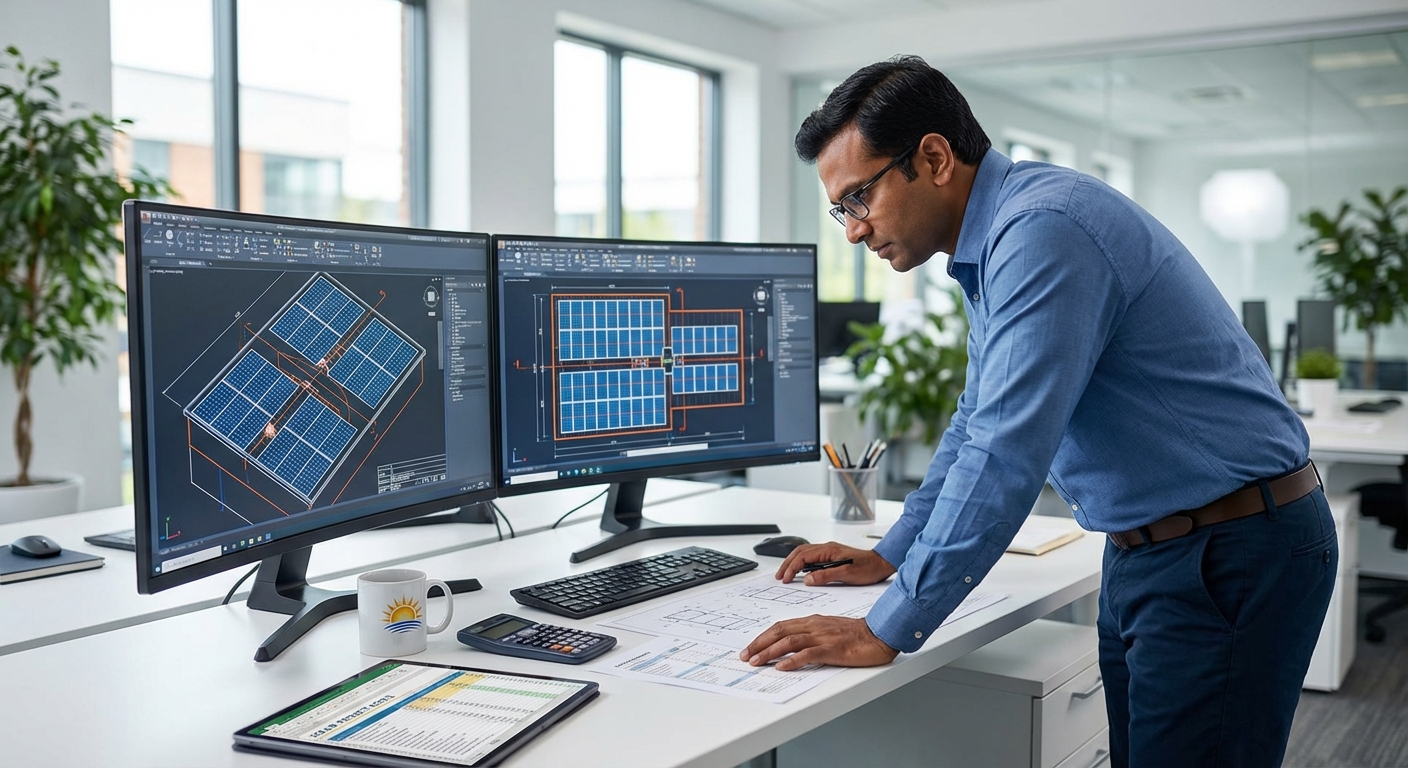
The solar design landscape in India has evolved significantly over the past few years. As of 2026, the market has matured beyond simple layout drawings to comprehensive engineering packages that address every technical aspect of solar installations. Solar design cost now encompasses a wide spectrum of services, from preliminary feasibility studies to complete construction-ready documentation that ensures regulatory compliance and optimal system performance.
Professional solar design services represent a strategic investment rather than a mere expense. Quality engineering design directly influences installation efficiency, system performance, structural integrity, and regulatory approval timelines. When EPCs partner with experienced design firms, they gain access to specialized expertise that would be prohibitively expensive to maintain in-house, especially for companies handling diverse project types across multiple regions.
The Indian solar market presents unique challenges that impact design costs. Projects must account for diverse climatic conditions—from the high wind zones of coastal regions to the extreme temperatures of Rajasthan and Gujarat. Regulatory requirements vary significantly across states, affecting permit design complexity and documentation needs. Site conditions range from structurally sound industrial rooftops to challenging terrain for ground mount installations, each requiring tailored engineering approaches.
In 2026, the typical solar design cost for professional services in India ranges from 0.5% to 3% of total project cost, depending on project scale, complexity, and deliverable requirements. This investment delivers substantial returns through reduced installation errors, optimized energy generation, faster permit approvals, and minimized rework costs. Companies that view design as a cost-cutting opportunity often face expensive consequences during installation and operation phases.
Key Factors That Influence Solar Design Cost
Understanding the variables that drive solar design pricing helps EPCs budget accurately and evaluate proposals from design service providers. Multiple factors interact to determine the final cost of engineering services for any given project.
Project scale and capacity represent the most obvious cost driver. A 5 kW residential rooftop system requires fundamentally different engineering effort compared to a 5 MW commercial installation. Megawatt-scale projects demand comprehensive electrical calculations, extensive cable routing documentation, detailed equipment specifications, and sophisticated energy modeling. The engineering hours required scale with project complexity, not just linearly with capacity.
Site complexity and terrain challenges significantly impact design costs. A flat, accessible industrial rooftop with clear structural documentation requires less engineering effort than a sloped residential roof with multiple obstructions, or a ground mount site with uneven terrain requiring extensive grading and foundation design. Sites with poor soil conditions, high water tables, or challenging access increase survey and structural engineering requirements.
The type of installation influences both the scope and cost of design services. Rooftop solar projects in India require detailed structural assessments to verify load-bearing capacity, often involving site visits and structural testing. Ground mount installations need comprehensive civil engineering for foundations, drainage, and site preparation. Specialized installations like carports or floating solar demand unique engineering expertise that commands premium pricing.
Regulatory requirements and permit complexity vary dramatically across Indian states and municipalities. Some jurisdictions require minimal documentation for net metering approval, while others demand comprehensive engineering packages with stamped drawings from licensed engineers. Projects requiring environmental clearances, grid interconnection studies, or special approvals increase design documentation needs and associated costs.
Deliverable requirements and documentation depth directly correlate with pricing. Basic layout drawings cost significantly less than complete construction packages including electrical single-line diagrams, cable schedules, equipment specifications, bill of quantities, structural calculations, and as-built documentation. EPCs should clearly define required deliverables upfront to receive accurate cost estimates.
Timeline and turnaround expectations affect solar design cost substantially. Standard turnaround times typically offer the best value, while expedited services requiring dedicated resources and overtime work command premium pricing. Rush projects may cost 25-50% more than standard timelines, though this investment can be justified when project deadlines are critical.
Geographic location and site accessibility influence costs for services requiring site visits, such as surveys and structural assessments. Remote locations across India with difficult access increase travel time, accommodation costs, and logistical complexity. Projects in major metros like Mumbai, Delhi, or Bangalore typically incur lower site visit costs compared to remote rural installations.
Solar 3D Pre-Design Cost Breakdown
The preliminary design phase, often called 3D pre-design, serves as the foundation for successful solar projects. This initial engineering service provides EPCs with critical information for proposal development, feasibility assessment, and client presentations before committing to full detailed engineering.
Solar 3D pre-design typically includes satellite imagery analysis, preliminary layout optimization, shading analysis using advanced software, initial energy generation estimates, and basic equipment selection recommendations. The deliverables help EPCs quickly assess project viability, estimate system size and output, and provide clients with professional visualizations that support sales efforts.
For residential and small commercial projects (up to 100 kW), 3D pre-design services in India typically represent a modest investment that can often be completed within 2-3 business days. The cost scales with project complexity—a simple residential rooftop requires less analysis than a complex commercial facility with multiple roof levels, obstructions, and varying orientations.
Megawatt-scale projects require more comprehensive pre-design analysis. Large ground mount installations need terrain modeling, preliminary civil engineering assessment, and detailed shading studies accounting for seasonal variations. Commercial and industrial rooftop projects at scale demand structural feasibility evaluation and multiple layout scenarios optimizing for different priorities—maximum capacity, optimal ROI, or specific aesthetic requirements.
The strategic value of investing in professional 3D pre-design extends beyond the immediate deliverables. Accurate preliminary analysis prevents costly surprises during detailed engineering, helps EPCs provide realistic proposals to clients, and identifies potential deal-breakers early in the sales process. Many design firms offer pre-design services at attractive rates, recognizing that successful preliminary projects often convert to full detailed engineering contracts.
EPCs should invest in 3D pre-design for any project where site conditions are uncertain, shading concerns exist, or clients require professional visualizations for decision-making. The modest upfront cost prevents wasted effort on unviable projects and strengthens proposal quality for competitive opportunities.
MW Scale Detailed Engineering Design Pricing
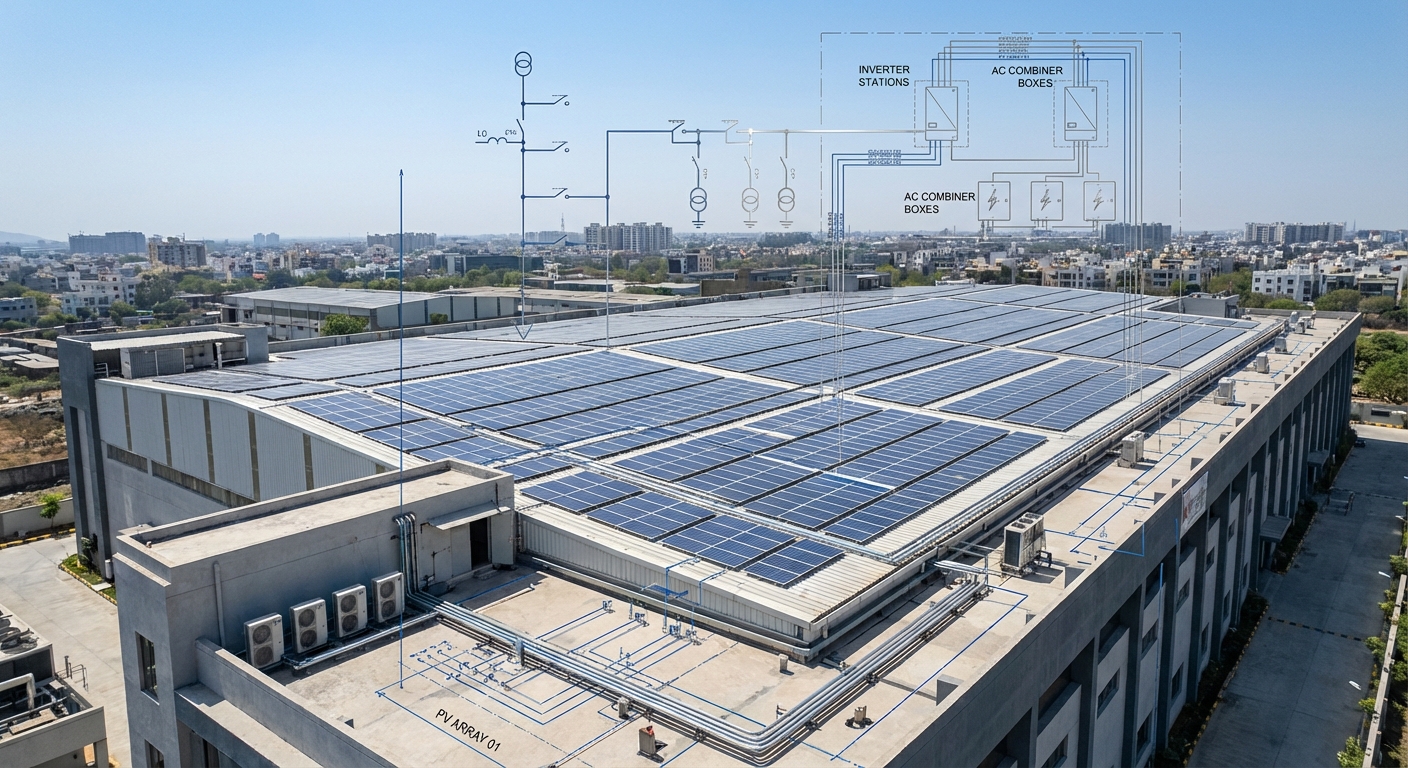
Detailed engineering design represents the most comprehensive and critical design service for MW-scale solar projects. This phase transforms preliminary concepts into construction-ready documentation that guides installation teams, satisfies regulatory requirements, and ensures system performance meets specifications.
For megawatt-scale commercial, industrial, and ground mount projects, detailed engineering design encompasses a complete package of technical documentation. Electrical engineering deliverables include single-line diagrams, three-line diagrams, AC and DC cable routing plans, cable schedules with specifications, earthing and lightning protection design, inverter and transformer sizing calculations, and grid interconnection documentation. Mechanical deliverables cover module mounting structure design, equipment layout plans, and installation specifications.
The cost structure for MW-scale detailed engineering in India varies based on project type and complexity. Ground mount installations typically require the most comprehensive engineering effort due to civil works, extensive cable routing, and substation design requirements. Large rooftop commercial projects demand detailed structural integration and often involve multiple roof sections with varying orientations and structural capacities. Industrial installations may include specialized requirements like high-voltage integration or coordination with existing facility electrical systems.
Professional detailed engineering services deliver substantial value beyond the documentation itself. Accurate cable sizing prevents voltage drop issues and optimizes conductor costs—a critical factor in MW-scale projects where cable expenses represent significant budget items. Proper equipment selection and sizing ensures optimal system performance and longevity. Comprehensive bill of quantities (BOQ) enables accurate procurement and prevents material shortages or excess inventory.
The engineering cost for detailed design typically represents a small percentage of total project value but delivers disproportionate impact on project success. Quality engineering reduces installation time by providing clear, accurate documentation that eliminates field confusion. It minimizes change orders and rework costs by addressing potential issues during the design phase rather than during construction. It ensures regulatory compliance, preventing costly permit delays or rejection.
When evaluating detailed engineering proposals, EPCs should assess the comprehensiveness of deliverables rather than focusing solely on price. Incomplete engineering packages that require supplementary documentation or field modifications ultimately cost more than comprehensive upfront design. Experienced design partners like Heaven Designs, with over 628 MW of completed design work, bring proven methodologies that optimize both design cost and project outcomes.
Structural Engineering and Civil Design Costs
Structural engineering represents a critical component of solar design cost that directly impacts installation safety, system longevity, and regulatory compliance. In India’s diverse climatic zones, proper structural design must account for wind loads, seismic considerations, and long-term structural integrity under varying environmental conditions.
For rooftop solar installations, structural engineering services begin with existing structure assessment. Engineers must verify that roofs can support additional dead loads from solar modules, mounting structures, and equipment, plus live loads from wind uplift, maintenance personnel, and potential snow accumulation in applicable regions. This assessment often requires site visits, structural drawings review, and sometimes non-destructive testing to verify existing conditions.
The cost of rooftop structural engineering varies significantly based on building type and available documentation. Modern industrial buildings with complete structural drawings and known load capacities require less engineering effort than older commercial buildings lacking documentation. Complex rooftops with multiple levels, penetrations, or existing equipment require more detailed analysis and custom mounting solutions.
Ground mount structural engineering encompasses foundation design, mounting structure specifications, and civil works planning. Engineers must conduct soil analysis or review geotechnical reports to design appropriate foundations—whether driven piles, concrete footings, or ground screws. Wind load calculations determine structural requirements for mounting systems, ensuring installations withstand cyclonic conditions in coastal regions or high wind zones.
Structural design costs for ground mount projects scale with site complexity. Level terrain with good soil conditions requires straightforward foundation design, while sloped sites need grading plans and potentially retaining walls. Poor soil conditions may necessitate deeper foundations or soil improvement measures, increasing both design complexity and construction costs.
Professional structural engineering prevents catastrophic failures that could destroy installations and create liability issues. In 2026, with increasing frequency of extreme weather events, robust structural design has become non-negotiable. The relatively modest investment in proper structural engineering provides insurance against failures that could cost multiples of the entire project value.
Compliance with Indian standards including IS 875 (wind loads), IS 1893 (seismic design), and relevant building codes requires specialized expertise. Design firms with extensive experience in structural engineering India understand regional variations in requirements and maintain relationships with local authorities that facilitate approval processes.
Project Management Consultancy (PMC) Service Costs
Project Management Consultancy services provide EPCs with expert oversight and coordination for MW-scale solar projects, particularly valuable for companies handling multiple simultaneous projects or entering new markets. PMC services India have become increasingly sophisticated, offering comprehensive project support from design through commissioning.
PMC service scope typically includes project planning and scheduling, vendor coordination and quality assurance, progress monitoring and reporting, technical issue resolution, documentation management, and commissioning support. For complex projects, PMC consultants serve as the owner’s representative, ensuring contractor performance meets specifications and timelines.
The pricing structure for PMC services varies based on engagement model. Some consultancies charge fixed fees based on project scope and duration, while others use percentage-based pricing tied to total project cost—typically ranging from 2-5% for comprehensive PMC services. The appropriate model depends on project characteristics, with fixed fees offering budget certainty and percentage-based pricing aligning consultant incentives with project success.
The value delivered through professional PMC services often exceeds the cost multiple times over. Experienced consultants identify and resolve issues before they become expensive problems, optimize construction sequencing to minimize delays, ensure quality standards that prevent rework, and maintain documentation that facilitates smooth commissioning and handover.
EPCs should consider outsourcing PMC services when handling projects in unfamiliar geographic regions, managing multiple simultaneous installations, or lacking internal resources for comprehensive project oversight. The specialized expertise and dedicated attention provided by PMC consultants enables EPC companies to take on larger or more complex projects than their internal capabilities might otherwise support.
For MW-scale projects, the cost of PMC services represents a strategic investment in project success. The alternative—attempting to manage complex projects without adequate oversight—frequently results in delays, cost overruns, quality issues, and client dissatisfaction that damage reputation and profitability far more than the cost of professional PMC support.
Site Survey and Feasibility Study Pricing
Comprehensive site surveys and feasibility studies form the foundation of accurate solar project design and realistic project planning. These services provide the ground truth data that transforms conceptual projects into executable plans with reliable cost estimates and performance projections.
Site survey services encompass multiple data collection activities. Physical surveys document site dimensions, obstructions, shading sources, roof conditions, electrical infrastructure, and access routes. Structural surveys assess existing building conditions for rooftop projects. Electrical surveys document existing systems, available capacity, and interconnection points. Photographic documentation provides visual reference for design teams and creates baseline records.
The cost of site surveys in India varies significantly based on project location, size, and complexity. Surveys for residential or small commercial projects in accessible urban locations represent modest investments that can typically be completed in a single day. Large MW-scale projects, particularly ground mount installations covering multiple acres, require multi-day survey efforts with specialized equipment and larger teams.
Advanced survey techniques including drone photogrammetry, 3D laser scanning, and detailed topographic surveys increase costs but deliver superior data quality that improves design accuracy and reduces field surprises during installation. For large or complex projects, the incremental cost of advanced survey methods provides excellent return through more accurate designs and fewer change orders.
Feasibility studies synthesize survey data with technical analysis, regulatory research, and financial modeling to assess project viability comprehensively. Feasibility study deliverables typically include site assessment reports, preliminary design concepts, energy generation estimates, equipment recommendations, regulatory requirement summaries, project timeline estimates, and financial analysis including ROI projections.
The investment in professional feasibility studies prevents costly mistakes. Thorough upfront analysis identifies deal-breakers—inadequate structural capacity, prohibitive interconnection costs, unfavorable shading conditions, or regulatory barriers—before EPCs invest significant resources in detailed design and proposal development. For projects that prove viable, feasibility studies provide the foundation for accurate proposals and realistic client expectations.
Geographic coverage affects survey costs due to travel and logistics. Firms like Heaven Designs offering site survey India services across multiple states can provide competitive pricing through established regional networks and experienced survey teams familiar with local conditions and requirements.
Solar Permit Design Cost Considerations
Permit design services ensure solar installations meet all regulatory requirements and obtain necessary approvals efficiently. In India’s complex regulatory environment with varying requirements across states and municipalities, professional permit design expertise has become essential for avoiding costly delays and rejections.
Permit design encompasses preparation of all documentation required for regulatory approvals, including net metering applications, electrical safety clearances, structural stability certificates, fire safety compliance, and environmental clearances where applicable. The specific requirements vary dramatically—from simple single-page applications in some jurisdictions to comprehensive engineering packages with stamped drawings from licensed engineers in others.
The cost of permit design services correlates directly with regulatory complexity and documentation requirements. Residential rooftop projects in states with streamlined net metering processes require minimal documentation and represent modest design investments. Large commercial or industrial projects may require extensive documentation including load flow studies, protection coordination analysis, and detailed electrical drawings stamped by chartered engineers.
Professional permit design delivers value through several mechanisms. Experienced designers understand specific requirements of different authorities, ensuring submissions include all necessary documentation in the correct format. They maintain relationships with regulatory bodies that facilitate communication and issue resolution. They stay current with evolving regulations, preventing submissions based on outdated requirements.
The cost of permit design should be evaluated against the risk of rejection and resubmission. Incomplete or incorrect permit applications result in delays that can extend project timelines by weeks or months, impacting client satisfaction and project cash flow. The modest investment in professional permit design provides insurance against these expensive delays.
For EPCs operating across multiple Indian states, partnering with design firms offering comprehensive permit design services across different jurisdictions provides consistency and efficiency. Rather than learning the nuances of each state’s requirements, EPCs can leverage their design partner’s established expertise and processes.
How to Budget for Solar Design Services: A Strategic Approach

Strategic budgeting for solar design services requires understanding both the cost structure and the value delivered. EPCs that view design as a strategic investment rather than a cost to be minimized consistently achieve better project outcomes and higher profitability.
As a general guideline, engineering cost for comprehensive solar design services typically ranges from 0.5% to 3% of total project cost, with the percentage decreasing as project scale increases. A 100 kW commercial rooftop project might allocate 2-3% of budget to design services, while a 5 MW ground mount installation might allocate 1-1.5%. These percentages provide starting points for budget planning, with actual costs varying based on project-specific factors.
A phased approach to design investment often provides optimal value. Begin with preliminary design or feasibility studies to validate project viability before committing to full detailed engineering. This staged investment prevents spending on detailed design for projects that prove unviable during initial analysis. For projects that proceed, the preliminary work informs and streamlines detailed engineering, often reducing overall costs.
When evaluating proposals from design service providers, EPCs should ask critical questions: What specific deliverables are included? What standards and codes will designs comply with? What is the experience level of engineers assigned to the project? What is the revision policy if changes are needed? What software and tools will be used? How will communication and progress updates be handled?
The answers to these questions reveal far more about value than price alone. A low-cost proposal that delivers incomplete documentation, requires extensive revisions, or lacks proper engineering rigor ultimately costs more than comprehensive upfront design from experienced providers. The true cost of design services includes not just the invoice amount but also the downstream impacts on installation efficiency, system performance, and project success.
Red flags indicating when low-cost design becomes expensive include: proposals significantly below market rates without clear explanation, providers unable to demonstrate relevant experience or completed projects, lack of clarity about deliverables and standards, unwillingness to provide references or portfolio examples, and absence of professional credentials or certifications.
Conversely, indicators of good value include: transparent pricing with clear deliverable specifications, demonstrated experience with similar project types, professional credentials and team qualifications, established processes and quality assurance procedures, positive references from other EPC clients, and willingness to discuss project-specific requirements and customize services accordingly.
For EPC companies building long-term businesses, establishing relationships with reliable design partners delivers compounding value. Repeat collaboration enables design teams to understand your preferences, standards, and processes, increasing efficiency over time. Volume relationships often enable preferential pricing while maintaining quality standards.
Maximizing ROI on Your Solar Design Investment
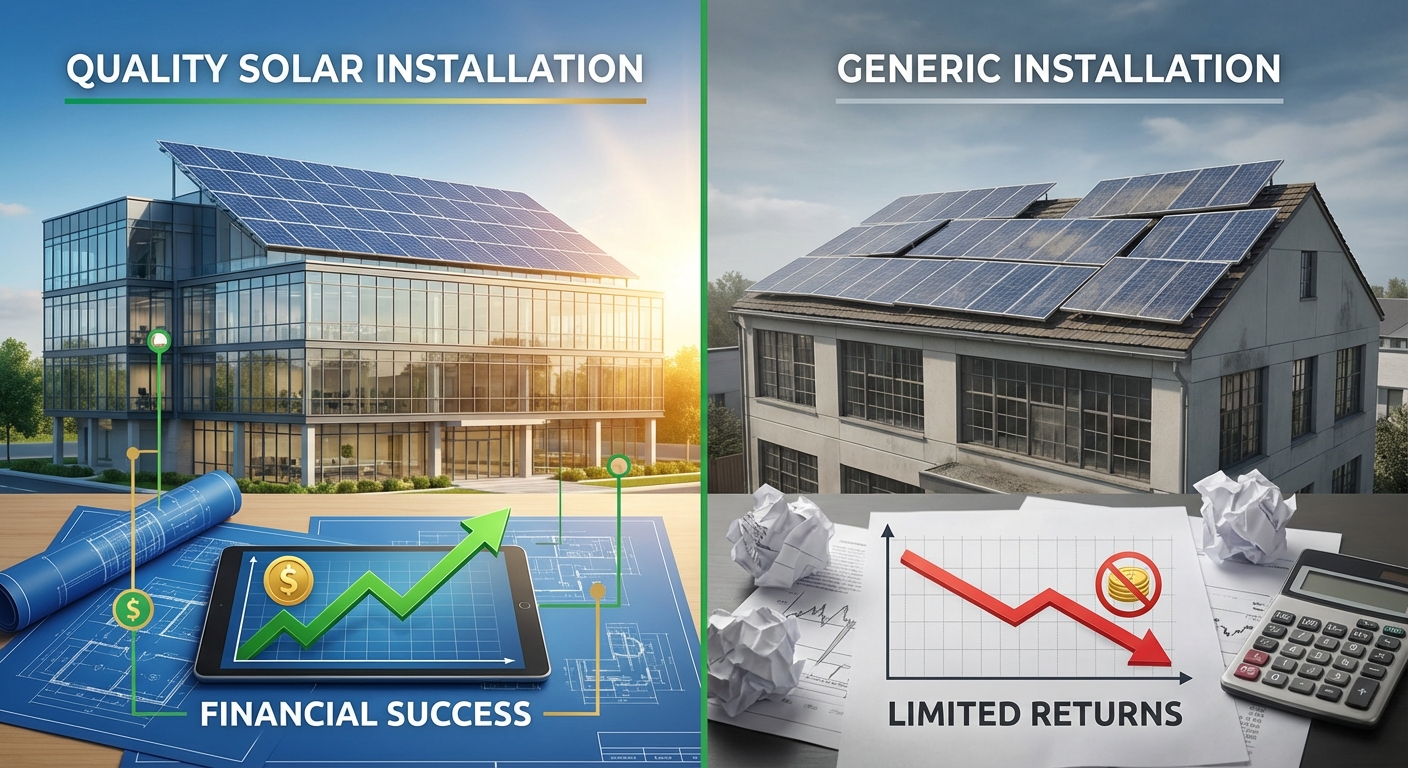
The return on investment from professional solar design services extends far beyond the immediate project. Quality engineering design creates value through multiple channels that impact both project-level profitability and long-term business success.
Reduced installation costs and time represent the most immediate ROI from quality design. Accurate, comprehensive documentation eliminates field confusion and reduces the questions and clarifications that slow installation progress. Proper cable sizing and routing plans minimize material waste and rework. Clear equipment specifications prevent procurement errors. Installation teams working from professional designs complete projects faster with fewer errors, directly improving project margins.
The impact of accurate engineering on energy generation affects project performance over the entire system lifetime. Optimal layout design maximizes energy capture while minimizing shading losses. Proper electrical design minimizes system losses and ensures inverters operate at peak efficiency. Accurate energy modeling sets realistic client expectations and prevents disputes over system performance. Over a 25-year system life, even small improvements in energy generation from superior design deliver substantial value.
Long-term cost savings from proper structural design prevent catastrophic failures and expensive repairs. Installations engineered to withstand local wind and environmental conditions operate reliably for decades without structural issues. Conversely, inadequate structural design can result in failures requiring complete system reinstallation—costs that dwarf the original design investment many times over.
Choosing the right design partner for your EPC business requires evaluating multiple factors beyond price. Consider the provider’s experience with your project types and target markets. Assess their technical capabilities and engineering team qualifications. Evaluate their communication processes and responsiveness. Review their portfolio and client references. Understand their quality assurance procedures and revision policies.
Firms like Heaven Designs, with over 50 skilled engineers and consultants and a track record of 628+ MW across 752+ projects, bring proven capabilities and established processes that deliver consistent quality. Their focus on cost-effective designs that maximize energy generation while optimizing project costs aligns design partner incentives with EPC success.
The case for investing in comprehensive design services becomes clear when considering the alternative. Inadequate design leads to installation delays, material waste, rework costs, permit rejections, client disputes, and potential system failures. These downstream costs and risks far exceed the incremental investment in professional design services. EPCs that consistently deliver successful projects built on quality engineering develop reputations that support premium pricing and preferential client relationships.
In India’s competitive solar market of 2026, professional design services have transitioned from optional to essential. The EPCs achieving sustainable growth and profitability recognize that design investment directly enables their success. By partnering with experienced design firms and budgeting appropriately for comprehensive engineering services, EPC companies position themselves to deliver superior projects that satisfy clients, generate strong returns, and build lasting businesses.
Frequently Asked Questions About Solar Design Cost
What is the typical cost range for solar design services in India?
Solar design costs in India vary significantly based on project scale, complexity, and service scope. For residential projects (1-10 kW), basic design services typically represent a modest investment. Commercial and industrial projects (100 kW to 1 MW) generally see design costs ranging from 1.5-3% of total project cost. Large MW-scale ground mount installations typically allocate 0.5-1.5% of project budget to comprehensive design services. These percentages include all design phases from preliminary through detailed engineering and permit documentation.
How long does the solar design process take?
Design timelines depend on project complexity and service scope. Simple residential 3D pre-design can be completed in 2-3 business days. Small commercial detailed engineering typically requires 1-2 weeks. MW-scale projects with comprehensive engineering including structural design, PMC services, and permit documentation generally require 3-6 weeks for complete design packages. Expedited timelines are available for urgent projects, though rush services typically command premium pricing. Clear communication of timeline requirements during project initiation helps design teams allocate resources appropriately.
What deliverables should be included in solar design pricing?
Comprehensive design packages should include all documentation necessary for installation and regulatory approval. For detailed engineering, expect electrical single-line diagrams, cable routing plans and schedules, equipment specifications and datasheets, mounting structure design, bill of quantities, and installation guidelines. Structural engineering should include load calculations, foundation designs, and structural drawings. Permit design should include all documentation required by relevant authorities. Always request a detailed deliverable list before engaging design services to ensure the scope meets your project needs.
Can design costs be reduced without compromising quality?
Strategic approaches can optimize design investment without sacrificing quality. Phased design—starting with preliminary analysis before committing to full detailed engineering—prevents spending on unviable projects. Clear scope definition upfront prevents expensive revisions and scope creep. Providing complete and accurate site information reduces survey requirements and design iterations. Building ongoing relationships with design partners often enables volume pricing while maintaining quality standards. However, selecting providers based solely on lowest price frequently results in incomplete documentation and downstream costs that exceed any initial savings.
How do I compare quotes from different design service providers?
Effective comparison requires evaluating value, not just price. Request detailed deliverable lists from each provider and compare scope comprehensiveness. Assess provider experience with similar project types and review their portfolio. Evaluate team qualifications and engineering credentials. Understand revision policies and what changes are included versus additional charges. Consider communication processes and project management approaches. Request references from other EPC clients and follow up on them. Calculate total cost including potential revisions and supplementary documentation needs. The lowest initial quote often proves most expensive when accounting for complete project requirements.
Partner with Experienced Solar Design Professionals
Understanding solar design cost empowers EPC companies to budget accurately, evaluate design partners effectively, and make strategic investments that drive project success. In 2026’s competitive Indian solar market, professional engineering design has become a critical differentiator between EPCs that consistently deliver successful projects and those struggling with installation challenges, cost overruns, and client dissatisfaction.
The key to maximizing ROI on design investment lies in partnering with experienced providers who understand the unique challenges of the Indian market, deliver comprehensive documentation that streamlines installation, and maintain the quality standards that ensure long-term system performance. Whether you’re planning residential rooftop installations, commercial MW-scale projects, or complex industrial solar systems, investing in professional design services from the outset prevents expensive downstream problems and positions your projects for success.
Heaven Designs brings over 628 MW of design experience across 752+ projects, with a dedicated team of 50+ engineers and consultants focused exclusively on solar design and engineering services. Our comprehensive service portfolio—from 3D pre-design through detailed engineering, structural design, PMC services, and permit documentation—provides EPC companies with a single reliable partner for all design needs across India and international markets.
Ready to discuss your solar project design requirements and receive a detailed proposal tailored to your specific needs? Get a Quick Proposal Now! or contact our team directly at +91 90811 00297 or service@heavendesigns.in. Let’s work together to deliver solar projects built on the foundation of quality engineering design that maximizes energy generation, optimizes costs, and ensures long-term success.