


For solar EPC companies operating in India and across global markets, navigating the permit design process can be one of the most challenging aspects of project execution. A single missing document, an incomplete structural calculation, or a misunderstood compliance requirement can delay projects by weeks or even months, impacting profitability and client relationships. With over 628+ MW of design work completed for 752+ solar EPC clients, Heaven Designs has encountered virtually every permit design scenario—and we’ve compiled the answers to the 15 most critical questions EPCs ask before submitting their applications.
Whether you’re managing residential rooftop installations, commercial solar projects, or utility-scale developments, understanding the intricacies of permit design is essential for maintaining project timelines and ensuring regulatory compliance. This comprehensive FAQ addresses the documentation requirements, compliance standards, approval timelines, and best practices that separate successful permit submissions from costly rejections.
Understanding Solar Permit Design: The Foundation of Successful Project Approvals
Solar permit design is the specialized engineering process of creating comprehensive technical documentation that demonstrates compliance with local building codes, electrical standards, structural requirements, and safety regulations. For EPC companies, permit design serves as the critical bridge between project planning and actual installation—without proper permits, no solar project can legally proceed.
The complexity of permit design varies significantly based on project scale and location. In India, EPCs must navigate a complex landscape of Central Electricity Authority (CEA) regulations, state-specific DISCOM requirements, and local municipal codes. Each jurisdiction may have unique documentation standards, approval processes, and technical specifications that must be precisely met.
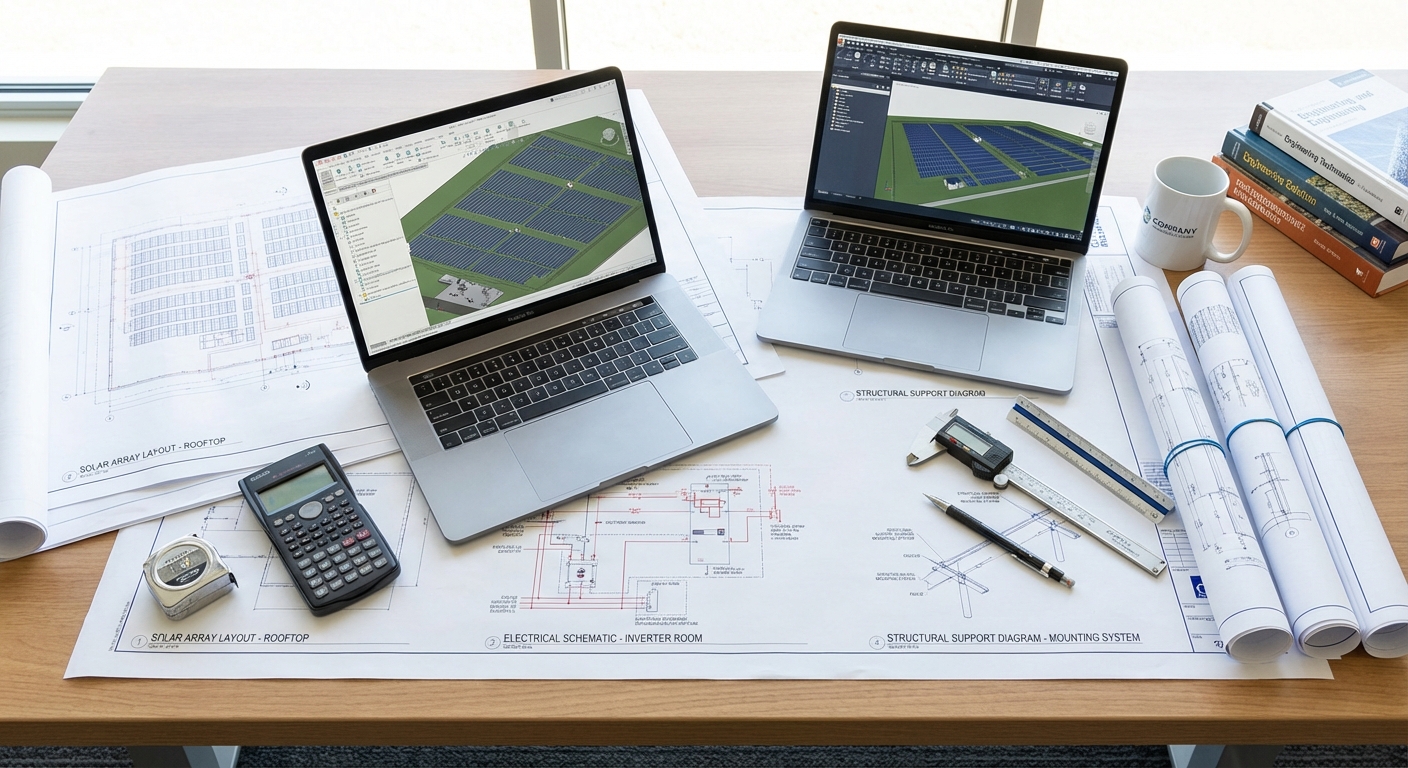
Heaven Designs specializes in comprehensive solar design services that ensure permit approval success. With a dedicated team of over 50 skilled engineers and consultants based in Surat, Gujarat, we deliver cost-effective and accurate permit design documentation for residential, commercial, and utility-scale solar projects. Our expertise spans multiple jurisdictions across India and international markets, enabling us to navigate diverse regulatory environments efficiently.
The permit design process typically involves several key phases: preliminary site assessment, detailed engineering calculations, preparation of technical drawings, compliance verification, and final documentation assembly. Each phase requires specialized knowledge of solar engineering principles, local regulations, and industry best practices. For many EPCs, partnering with a specialized design partner like Heaven Designs allows them to focus on their core competencies while ensuring permit documentation meets the highest standards of accuracy and compliance.
Pre-Submission Planning: Questions About Getting Started
Before diving into the technical details of permit applications, EPCs need clarity on the foundational requirements and timelines. These initial questions help establish realistic project schedules and ensure all necessary information is gathered before the design process begins.
1. What Documents Are Required Before Starting Permit Design?
Successful permit design begins with comprehensive data collection. The quality and completeness of your initial documentation directly impact both the design timeline and the likelihood of permit approval. Here are the essential documents and information required:
Site Survey Data and Measurements: Detailed site survey information forms the foundation of accurate permit design. This includes precise roof dimensions, orientation, tilt angles, and shading analysis data. For ground-mount systems, topographical surveys, soil conditions, and drainage patterns are essential. Heaven Designs offers comprehensive site survey India services that capture all necessary data for permit applications.
Property Ownership Documents: Permit authorities require proof of property ownership or explicit permission from property owners. This includes property deeds, lease agreements, or notarized consent letters. For commercial and utility-scale projects, land use certificates and zoning approvals may also be necessary.
Electrical System Specifications: Complete information about existing electrical infrastructure is crucial. This includes electrical panel specifications, main breaker capacity, service entrance details, utility meter information, and existing load calculations. For grid-connected systems, utility interconnection requirements must also be documented.
Local Jurisdiction Requirements: Each permitting authority has specific application forms, fee schedules, and submission procedures. Research local requirements early in the process to avoid delays. Some jurisdictions require pre-application meetings or preliminary reviews before formal submission.
Structural Assessment Data: For rooftop installations, structural capacity verification is mandatory. This includes building age, construction type, roof material, existing structural modifications, and any previous engineering assessments. Our structural engineering India team can conduct comprehensive structural evaluations to ensure your project meets all safety requirements.
2. How Long Does the Permit Design Process Typically Take?
Understanding realistic timelines helps EPCs set appropriate client expectations and plan project schedules effectively. The design timeline varies based on project complexity, data availability, and the level of detail required by local authorities.
Residential Rooftop Projects (3-7 Days): For standard residential rooftop solar India installations ranging from 3 kW to 10 kW, permit design typically requires 3 to 7 business days when all site survey data and property information is readily available. This timeline includes preparation of single-line diagrams, layout plans, structural calculations, and electrical schematics.
Commercial Projects (7-14 Days): Commercial solar installations involve more complex engineering requirements and additional documentation. Projects ranging from 50 kW to 500 kW typically require 7 to 14 business days for complete permit design. This extended timeline accommodates more detailed structural analysis, fire safety planning, and coordination with multiple stakeholders.
Utility-Scale Projects (2-4 Weeks): Megawatt-scale ground-mount and large commercial projects require comprehensive engineering documentation. The design process for projects exceeding 1 MW typically spans 2 to 4 weeks, depending on project complexity. This includes detailed civil engineering, extensive structural calculations, environmental considerations, and grid interconnection studies.
Factors Affecting Design Timeline: Several variables can impact the permit design schedule. Incomplete site survey data, unclear property boundaries, complex structural conditions, or unique local requirements can extend timelines. Conversely, working with experienced solar engineer teams and providing complete upfront information can accelerate the process significantly.
3. What Information from Site Surveys Is Essential for Permit Applications?
Site surveys provide the raw data that informs every aspect of permit design. Missing or inaccurate survey information is one of the leading causes of permit rejections and project delays. Here’s what permit authorities expect to see:
Roof Dimensions and Structural Capacity: Precise measurements of roof area, including all obstructions such as vents, chimneys, HVAC equipment, and skylights. Structural capacity assessment must verify that the roof can support additional dead loads from solar panels, mounting systems, and potential snow or debris accumulation. This requires knowledge of roof construction type, rafter spacing, and existing structural conditions.
Shading Analysis Data: Comprehensive shading studies identify all potential shade sources including trees, adjacent buildings, parapet walls, and rooftop equipment. Time-stamped shading analysis throughout the year helps optimize array placement and provides realistic energy production estimates. Many permit authorities require shading reports as part of the application package.
Electrical Panel Specifications: Detailed documentation of the main service panel, including manufacturer, model, bus bar rating, main breaker size, available spaces, and existing circuit loads. For systems requiring panel upgrades or line-side connections, service entrance conductor sizing and utility transformer capacity must also be documented.
Ground Conditions for Ground-Mount Systems: Soil bearing capacity, water table depth, drainage patterns, and vegetation coverage all impact foundation design for ground-mount installations. Geotechnical investigations may be required for larger projects to ensure proper foundation engineering.
Access and Safety Considerations: Site surveys should document access routes for equipment delivery, fall protection anchor points, fire department access pathways, and emergency egress routes. These safety considerations are increasingly scrutinized during permit review, particularly for commercial projects.
Documentation and Compliance: Technical Requirements
The technical documentation phase is where permit design expertise becomes most critical. This section addresses the specific engineering drawings, compliance standards, and calculations that form the core of any permit application.
4. What Engineering Drawings Are Mandatory for Permit Submissions?
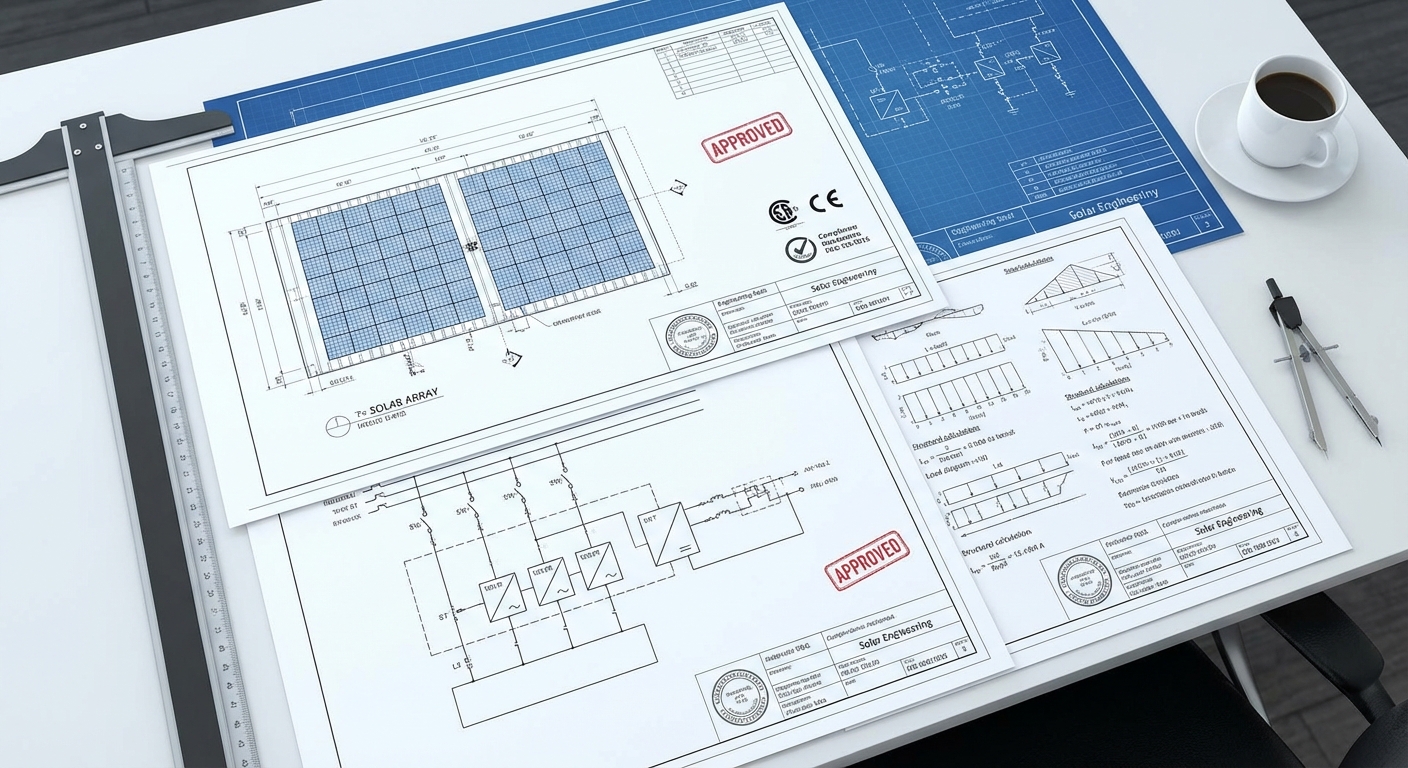
Permit authorities require specific engineering drawings that demonstrate system design, electrical safety, and structural integrity. Missing even a single required drawing can result in immediate rejection. Here are the essential solar drawings for permit applications:
Single-Line Diagrams (SLD): The single-line diagram is perhaps the most critical electrical drawing for solar permits. It shows the complete electrical path from solar panels through combiner boxes, inverters, disconnects, and overcurrent protection devices to the point of interconnection. The SLD must include equipment specifications, conductor sizing, conduit types, and protection device ratings. Every component must be clearly labeled with manufacturer, model number, and electrical ratings.
Three-Line Diagrams: For three-phase commercial and utility-scale systems, three-line diagrams show the detailed phase-by-phase electrical connections. These diagrams are essential for demonstrating proper phase balancing and grounding configurations.
Layout and Mounting Plans: Site plans show the precise placement of solar arrays, including panel orientation, row spacing, setbacks from roof edges, and locations of all electrical equipment. For rooftop systems, plans must show attachment points, mounting rail layouts, and pathways for conduit runs. Ground-mount plans include fence lines, access roads, and equipment pads.
Electrical Schematics: Detailed wiring diagrams show the internal connections within combiner boxes, inverters, and electrical panels. These schematics demonstrate proper grounding, bonding, and equipment grounding conductor routing. They’re particularly important for systems with complex electrical configurations or battery storage integration.
Structural Drawings and Foundation Details: Structural drawings show mounting system attachment methods, load distribution, and connection details. For ground-mount systems, foundation designs with dimensions, reinforcement details, and embedment depths must be provided. Rooftop systems require attachment schedules showing fastener types, spacing, and penetration sealing methods.
5. How Do Compliance Standards Differ Across Indian States?
One of the most challenging aspects of solar design India is navigating the diverse regulatory landscape across different states and union territories. While national standards provide a baseline, state-specific requirements can vary significantly:
Central Electricity Authority (CEA) Regulations: The CEA provides overarching technical standards for grid-connected solar systems in India. These regulations cover safety requirements, metering standards, and interconnection protocols. All solar installations must comply with CEA (Technical Standards for Connectivity of the Distributed Generation Resources) Regulations, which establish minimum safety and performance criteria.
State-Specific DISCOM Requirements: Each state’s Distribution Company (DISCOM) has unique interconnection requirements, net metering policies, and documentation standards. For example, Gujarat’s DISCOMs may have different application procedures and technical specifications compared to Maharashtra or Rajasthan. Understanding these variations is crucial for EPCs operating across multiple states. Heaven Designs’ experience with solar EPC India projects across numerous states enables us to navigate these differences efficiently.
Building Code Variations: Local building codes govern structural requirements, fire safety provisions, and construction standards. Urban areas typically have more stringent building codes than rural jurisdictions. Some municipalities have adopted specific solar-friendly provisions, while others apply general building codes that may not fully address solar-specific considerations.
Fire Safety Standards: Fire safety requirements for solar installations vary by jurisdiction and building type. Commercial buildings often require additional fire safety measures such as rapid shutdown systems, firefighter access pathways, and clearly marked emergency disconnects. The National Building Code of India provides baseline fire safety standards, but local authorities may impose additional requirements.
Grid Interconnection Standards: Grid connection requirements differ based on system size and voltage level. Small residential systems may have simplified interconnection procedures, while commercial and utility-scale projects require detailed grid impact studies, protection coordination analysis, and utility approval processes that can take several months.
6. What Structural Engineering Calculations Must Be Included?
Structural engineering is a critical component of permit design that cannot be overlooked. Inadequate structural analysis is one of the top reasons for permit rejections. Here are the essential calculations required:
Wind Load Calculations per IS 875: Wind loads typically govern solar array structural design in India. Calculations must follow IS 875 (Part 3): Code of Practice for Design Loads for Buildings and Structures – Wind Loads. These calculations account for basic wind speed, terrain category, structure height, and aerodynamic coefficients. Both uplift and lateral wind forces must be calculated for various wind directions.
Dead Load and Live Load Analysis: Dead loads include the weight of solar panels, mounting structures, conduit, and any permanent equipment. Live loads account for maintenance personnel, snow accumulation (in applicable regions), and debris. The combined load analysis must demonstrate that existing structures can safely support all anticipated loads with appropriate safety factors.
Seismic Considerations: India’s seismic zones require earthquake-resistant design for solar installations. Calculations must follow IS 1893: Criteria for Earthquake Resistant Design of Structures. Seismic analysis is particularly critical for ground-mount systems with tall structures and rooftop systems on buildings in high seismic zones.
Roof Structural Capacity Assessment: For rooftop installations, structural engineers must verify that the existing roof structure can support additional solar loads. This involves analyzing roof framing members, connections, and load paths to the building foundation. Older buildings or those with previous modifications may require reinforcement before solar installation can proceed.
Foundation Design for Ground-Mount Systems: Ground-mount solar arrays require properly engineered foundations based on soil conditions and structural loads. Foundation types may include driven piles, helical anchors, concrete piers, or ballasted systems. Design calculations must demonstrate adequate bearing capacity, pullout resistance, and overturning stability under all load combinations.
Project-Specific Considerations: Residential vs. Commercial vs. Utility-Scale
Permit requirements scale with project complexity. Understanding the specific documentation needs for different project types helps EPCs allocate resources appropriately and set realistic timelines.
7. What Are the Key Differences in Permit Requirements for Residential Projects?
Residential solar projects typically have streamlined permit processes designed to encourage adoption while maintaining safety standards:
Simplified Documentation for Rooftop Solar: Most residential permits require basic documentation including site plans, electrical single-line diagrams, equipment specifications, and structural calculations. The documentation is generally less extensive than commercial projects, with many jurisdictions accepting standardized templates for common installation types.
Residential Building Code Compliance: Residential projects must comply with the National Building Code of India provisions for residential structures. This includes requirements for roof access, fire safety, electrical safety, and structural integrity. However, the standards are generally less stringent than those applied to commercial buildings.
Net Metering Application Requirements: Most residential solar systems in India are installed under net metering policies. The permit application must include net metering agreements, utility interconnection applications, and metering plans. Some states have simplified net metering procedures for small residential systems that expedite the approval process.
HOA Approvals Where Applicable: For properties within housing societies or gated communities, homeowners association approval may be required before permit submission. While not a government permit requirement, HOA approval is often a prerequisite that can add time to the overall approval process.
Faster Approval Timelines: Many jurisdictions prioritize residential solar permits to encourage renewable energy adoption. Approval timelines for residential projects typically range from 1 to 4 weeks, significantly faster than commercial projects. Some progressive municipalities offer same-day or online permit approvals for qualifying residential systems.
8. What Additional Documentation Is Needed for Commercial Solar Installations?
Commercial solar projects face more rigorous scrutiny due to larger system sizes, complex building occupancies, and greater potential impact on the electrical grid:
Commercial Building Permits: Commercial installations require comprehensive building permits that address structural modifications, electrical work, and potential impacts on building systems. The permit application must demonstrate compliance with commercial building codes, which are more stringent than residential standards.
Fire Marshal Approvals: Fire safety is a primary concern for commercial solar installations. Fire marshal review typically focuses on firefighter access, rapid shutdown systems, equipment labeling, and emergency procedures. Some jurisdictions require fire department pre-approval before building permit issuance.
Environmental Impact Assessments: Larger commercial projects may require environmental clearances, particularly for ground-mount installations. Environmental assessments evaluate impacts on local ecosystems, water resources, and land use. The scope of environmental review depends on project size and location sensitivity.
Grid Interconnection Agreements: Commercial systems typically require formal interconnection agreements with the local DISCOM. This process involves technical review, grid impact studies, and protection coordination analysis. The interconnection approval process can take several months for larger systems and may require system modifications to meet utility requirements.
Insurance and Liability Documentation: Commercial projects often require proof of liability insurance, contractor licensing, and professional engineer certifications. Some jurisdictions require performance bonds or financial guarantees to ensure project completion and system performance.
9. What Specialized Permits Are Required for Utility-Scale Projects?
Utility-scale solar projects involve the most complex permitting processes, often requiring multiple approvals from various government agencies:
Land Use and Zoning Permits: Large-scale solar farms require land use approvals and zoning compliance verification. This may involve rezoning applications, conditional use permits, or special use permits depending on local land use regulations. Public hearings and community input processes are common for utility-scale projects.
Environmental Clearances: Utility-scale projects require comprehensive environmental impact assessments under the Environmental Impact Assessment (EIA) Notification. This includes studies of flora and fauna, water resources, air quality, and socio-economic impacts. Environmental clearances from state and central authorities can take 6 to 12 months or longer.
Grid Connectivity Approvals: Utility-scale projects require detailed grid connectivity studies and approvals from state transmission utilities or the central transmission utility. This involves power evacuation studies, grid stability analysis, and coordination with transmission planning. The approval process includes technical scrutiny, financial arrangements, and execution of power purchase agreements.
Water and Drainage Permits: Ground-mount solar farms must address stormwater management, drainage patterns, and potential impacts on local water resources. Water permits may be required for construction activities, panel cleaning operations, and site maintenance.
Road Access and Transportation Permits: Large-scale projects require permits for road access, heavy equipment transportation, and potential road improvements. Coordination with transportation authorities ensures safe and legal movement of construction equipment and materials.
Common Rejection Reasons: Avoiding Costly Delays
Understanding why permit applications get rejected is just as important as knowing what to include. Learning from common mistakes helps EPCs avoid costly delays and resubmissions.
10. What Are the Most Common Reasons for Permit Application Rejections?
Based on Heaven Designs’ experience processing hundreds of permit applications across India and international markets, these are the most frequent rejection reasons:
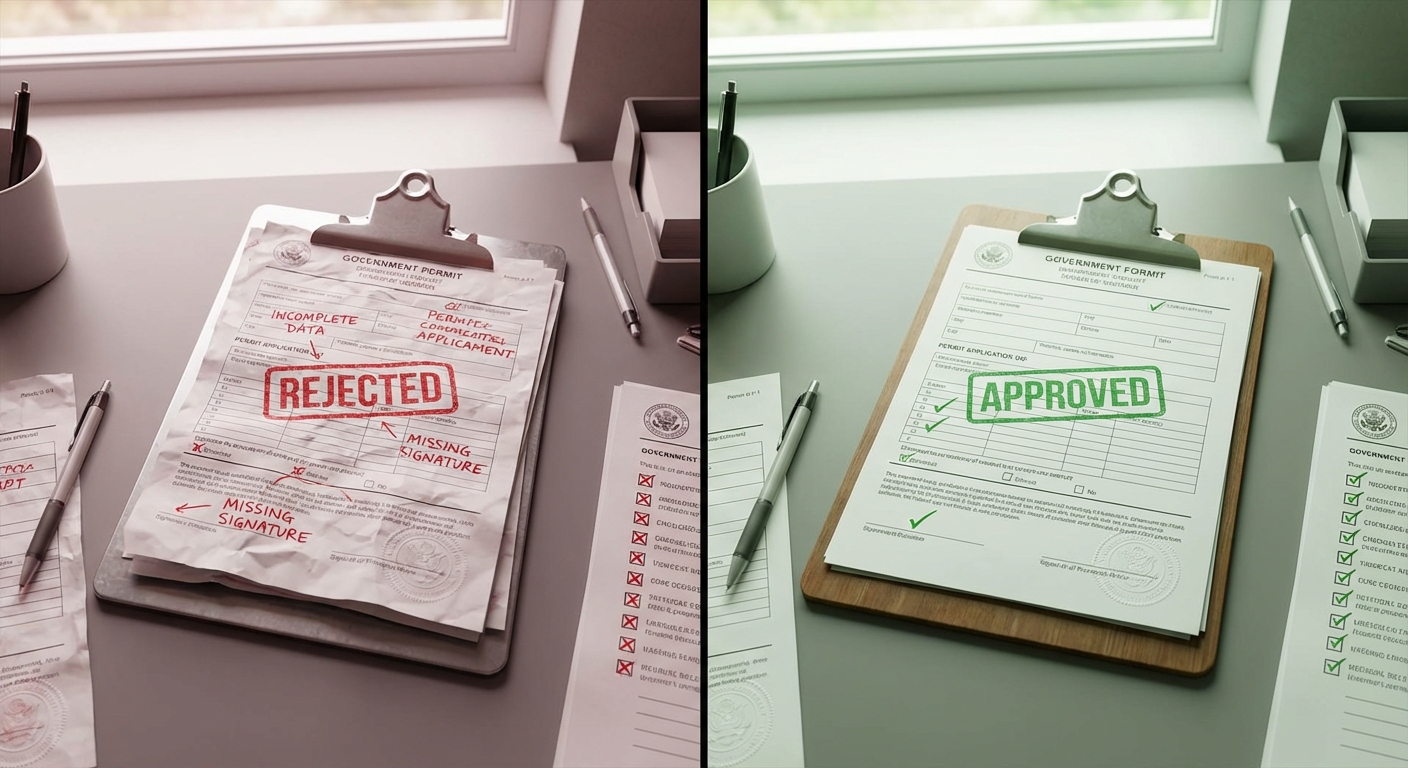
Incomplete or Inaccurate Documentation: Missing drawings, incomplete equipment specifications, or inaccurate site information account for a significant portion of rejections. Even minor omissions such as missing equipment model numbers or unsigned drawings can result in rejection. Thorough quality control review before submission is essential.
Non-Compliance with Local Codes: Failure to meet specific local code requirements is a common rejection cause. This includes using outdated code editions, misinterpreting local amendments, or overlooking jurisdiction-specific requirements. EPCs working across multiple jurisdictions must stay current with local code variations.
Insufficient Structural Analysis: Inadequate structural calculations or missing structural engineer stamps frequently cause rejections. Permit reviewers scrutinize structural analysis carefully, and any uncertainty about structural adequacy results in rejection. Professional structural engineering India services ensure calculations meet all requirements.
Missing Electrical Calculations: Incomplete electrical calculations such as voltage drop analysis, conductor ampacity verification, or fault current calculations lead to rejections. All electrical design decisions must be supported by documented calculations that demonstrate code compliance.
Inadequate Safety Provisions: Missing or insufficient safety features such as rapid shutdown systems, arc fault protection, ground fault protection, or emergency disconnects result in rejections. Safety is paramount in permit review, and any perceived safety deficiency will prevent approval.
11. How Can Incomplete Structural Calculations Lead to Rejection?
Structural engineering is one of the most technically demanding aspects of permit design, and incomplete analysis is a frequent rejection cause:
Missing Wind Load Analysis: Wind loads are critical for solar array design, yet incomplete wind analysis is common. Rejections occur when calculations don’t address all wind directions, fail to consider local wind speed data, or omit critical load combinations. Proper wind analysis per IS 875 must consider uplift, lateral, and overturning forces.
Inadequate Roof Capacity Verification: Simply stating that a roof is adequate without supporting calculations results in rejection. Permit reviewers expect detailed analysis showing existing roof member capacities, applied loads, and safety factors. For older buildings, as-built structural drawings or field verification may be required.
Incomplete Foundation Design: Ground-mount systems require complete foundation design including soil bearing capacity verification, embedment depths, reinforcement details, and connection specifications. Generic foundation designs without site-specific soil data are typically rejected.
Lack of Seismic Considerations: In seismic zones, failure to address earthquake loads results in rejection. Seismic analysis must follow IS 1893 and demonstrate that the solar array can withstand design-level earthquakes without collapse or significant damage.
Insufficient Safety Factors: Using inadequate safety factors or failing to consider all applicable load combinations leads to rejection. Structural calculations must demonstrate compliance with code-required safety factors for all load cases including dead, live, wind, seismic, and snow loads where applicable.
12. What Electrical Code Violations Frequently Cause Permit Denials?
Electrical code compliance is rigorously reviewed during permit evaluation. Common electrical violations include:
Improper Conductor Sizing: Undersized conductors that don’t meet ampacity requirements or fail to account for temperature correction factors result in rejection. All conductor sizing must be documented with calculations showing compliance with the National Electrical Code and IS 732 standards.
Inadequate Overcurrent Protection: Improperly sized or located overcurrent protection devices violate electrical codes. Each circuit must have appropriate overcurrent protection based on conductor ampacity and equipment ratings. Missing or incorrectly rated fuses or circuit breakers are common rejection causes.
Non-Compliant Grounding Systems: Grounding and bonding are critical safety features that receive careful scrutiny. Incomplete grounding electrode systems, improper bonding of equipment, or missing equipment grounding conductors result in rejection. All grounding must comply with applicable electrical codes and manufacturer requirements.
Missing Arc Fault Protection: Many jurisdictions now require arc fault protection for solar PV systems. Missing or improperly specified arc fault circuit interrupters (AFCIs) lead to rejection. The permit application must clearly show how arc fault protection requirements are met.
Incorrect Voltage Drop Calculations: Excessive voltage drop reduces system performance and may violate code requirements. Permit applications must include voltage drop calculations demonstrating compliance with maximum allowable voltage drop limits. This is particularly important for systems with long wire runs or high current levels.
Optimization and Best Practices: Streamlining the Process
Beyond meeting minimum requirements, EPCs can implement strategies to streamline permit design and improve approval rates. These best practices separate industry leaders from competitors.
13. How Can EPCs Streamline the Permit Design Process?
Efficiency in permit design translates directly to faster project execution and improved profitability. Here are proven strategies for streamlining the process:
Partner with Specialized Design Firms: Outsourcing permit design to specialized firms like Heaven Designs provides access to experienced engineers who understand local requirements and have established relationships with permitting authorities. This expertise accelerates the design process and significantly improves first-time approval rates. Our team’s experience with 752+ clients across multiple jurisdictions means we’ve likely encountered and solved similar challenges before.
Standardize Documentation Templates: Developing standardized templates for common project types reduces design time and ensures consistency. Templates should include pre-approved layouts, standard details, and calculation spreadsheets that can be quickly customized for specific projects. However, templates must be flexible enough to accommodate site-specific conditions and local requirements.
Maintain Relationships with Local Authorities: Building positive relationships with permit reviewers and building officials facilitates smoother approval processes. Regular communication, attending pre-application meetings, and seeking clarification on unclear requirements demonstrates professionalism and can expedite reviews.
Conduct Thorough Pre-Design Site Surveys: Investing in comprehensive site surveys upfront prevents delays caused by missing information. Detailed surveys capture all necessary data in a single visit, eliminating the need for return trips or design revisions. Heaven Designs’ site survey India services ensure complete data collection for efficient permit design.
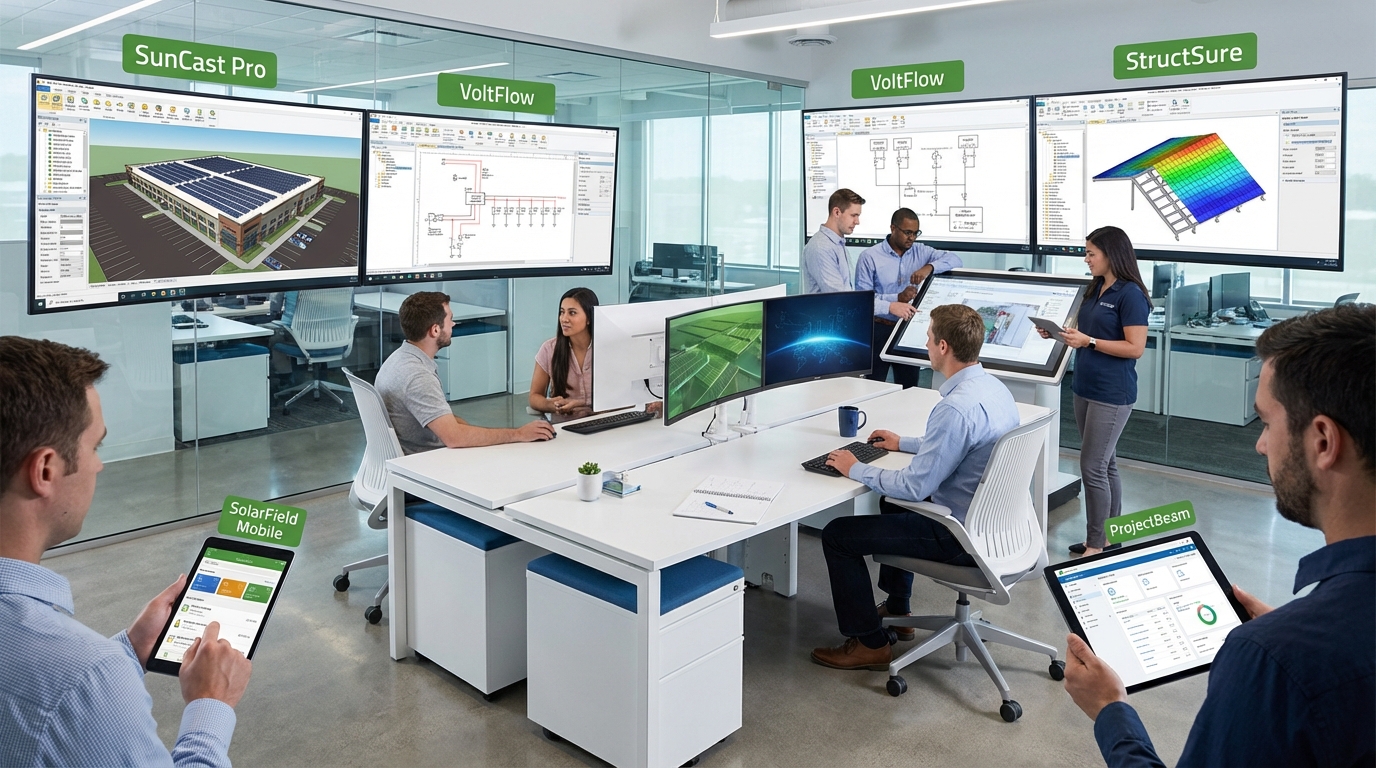
Use Proven Design Software and Tools: Professional design software India tools automate calculations, generate accurate drawings, and ensure code compliance. Software investments pay dividends through reduced design time, fewer errors, and improved documentation quality.
14. What Role Does Design Software Play in Permit Accuracy?
Modern design software has transformed permit design from a manual, error-prone process to a streamlined, accurate workflow:
Automated Code Compliance Checking: Advanced design software includes built-in code compliance checking that flags potential violations before submission. This proactive approach catches errors early, reducing rejection rates and resubmission cycles. Software databases stay current with code updates, ensuring designs meet the latest requirements.
Accurate Electrical Calculations: Design software automates complex electrical calculations including voltage drop, conductor sizing, fault current analysis, and protection coordination. Automated calculations eliminate manual errors and provide documented calculation reports that satisfy permit reviewer requirements.
3D Modeling for Visualization: Three-dimensional modeling helps identify design conflicts, optimize array layouts, and communicate design intent to permit reviewers. 3D models are particularly valuable for complex rooftop installations where equipment placement and access pathways must be carefully coordinated.
Structural Analysis Integration: Integrated structural analysis tools perform wind load calculations, roof capacity verification, and foundation design within the same software environment. This integration ensures consistency between electrical and structural designs and streamlines the documentation process.
Reduced Human Error in Documentation: Automated drawing generation from design models eliminates transcription errors and ensures consistency across all documentation. When design parameters change, software automatically updates all affected drawings and calculations, maintaining accuracy throughout the design process.
15. Should EPCs Outsource Permit Design or Handle It In-House?
This strategic decision significantly impacts operational efficiency, project costs, and competitive positioning. Here’s a framework for evaluating the outsourcing decision:
Cost-Benefit Analysis of Outsourcing: While building in-house design capabilities requires significant investment in personnel, software, and training, outsourcing provides predictable per-project costs without fixed overhead. For EPCs with variable project volumes, outsourcing offers flexibility to scale design capacity up or down based on demand. The engineering cost of outsourcing is often lower than maintaining full-time design staff, particularly when considering software licenses, continuing education, and employee benefits.
Access to Specialized Expertise: Professional design firms employ specialists in structural engineering, electrical design, and regulatory compliance who stay current with evolving codes and standards. This depth of expertise is difficult and expensive to replicate in-house, particularly for smaller EPCs. Heaven Designs’ team of 50+ engineers provides specialized knowledge across all aspects of solar design, from residential rooftops to utility-scale projects.
Scalability During Peak Seasons: Solar installation demand often fluctuates seasonally, creating capacity challenges for in-house design teams. Outsourcing provides instant scalability, allowing EPCs to handle peak demand without hiring additional staff or turning away projects. This flexibility is particularly valuable for growing EPCs that haven’t yet reached the scale to justify large in-house teams.
Focus on Core EPC Competencies: Most EPCs excel at project management, installation, and client relationships rather than detailed engineering design. Outsourcing permit design allows EPCs to focus resources on their core strengths while ensuring design quality through specialized partners. This strategic focus often leads to better overall project outcomes and improved client satisfaction.
Quality Assurance and Compliance Expertise: Specialized design firms implement rigorous quality control processes and maintain comprehensive knowledge of regulatory requirements across multiple jurisdictions. This expertise translates to higher first-time approval rates and fewer costly delays. For EPCs operating across multiple states or countries, partnering with firms experienced in diverse regulatory environments is particularly valuable.
Working with Professional Design Partners: The Heaven Designs Advantage
The decision to partner with a professional solar design firm can transform permit design from a bottleneck into a competitive advantage. Heaven Designs brings unique capabilities that help EPCs streamline operations and improve project outcomes:
Comprehensive Service Portfolio: Beyond permit design, Heaven Designs offers integrated services including solar 3D pre-design, MW scale detailed engineering design, PMC services India, and civil and structural engineering. This comprehensive approach ensures consistency across all project phases and eliminates coordination challenges between multiple vendors.
Proven Track Record: With 628+ MW of completed design work for 752+ clients across 3+ countries, Heaven Designs has demonstrated expertise across diverse project types and regulatory environments. This experience translates to efficient design processes, high approval rates, and reliable project delivery.
Cost-Effective Solutions: Our focus on maximizing energy generation while optimizing project costs ensures that permit designs support profitable project execution. We understand that solar design cost is a critical factor for EPCs, and we structure our services to deliver maximum value without compromising quality or compliance.
Rapid Turnaround Times: Understanding that time is money in the solar industry, Heaven Designs maintains efficient workflows that deliver permit-ready documentation within industry-leading timeframes. Our standardized processes and experienced team enable us to meet aggressive project schedules without sacrificing accuracy.
Technical Excellence: Our team of over 50 skilled engineers and consultants brings deep expertise in all aspects of solar design. From complex structural analysis to intricate electrical calculations, we ensure every aspect of permit design meets the highest technical standards. Our engineers stay current with evolving codes, standards, and best practices through continuous professional development.
Collaborative Approach: We view our clients as partners and work collaboratively throughout the design process. Regular communication, transparent processes, and responsive support ensure that EPCs remain informed and involved in design decisions. This partnership approach builds long-term relationships based on mutual success.
Multi-Jurisdictional Experience: Operating across India and international markets, Heaven Designs understands the nuances of different regulatory environments. Whether you’re installing projects in Gujarat, Maharashtra, Rajasthan, or expanding into new markets, our jurisdictional knowledge ensures compliant designs that meet local requirements.
Taking the Next Step: Ensuring Your Permit Design Success
Navigating the complexities of solar permit design requires expertise, attention to detail, and deep understanding of regulatory requirements. The 15 questions addressed in this FAQ represent the most critical concerns EPCs face when preparing permit applications. By understanding documentation requirements, compliance standards, common rejection reasons, and optimization strategies, EPCs can significantly improve their permit approval rates and project timelines.
However, knowledge alone isn’t enough—successful permit design requires experienced engineering teams, proven processes, and commitment to quality. Whether you’re managing your first residential installation or your hundredth utility-scale project, partnering with specialized design professionals can transform permit design from a challenge into a competitive advantage.
Heaven Designs stands ready to support your solar projects with comprehensive permit design services backed by proven expertise and a track record of success. Our team understands the unique challenges facing solar EPC India companies and international EPCs, and we’re committed to delivering accurate, compliant, and cost-effective design solutions that keep your projects moving forward.
Don’t let permit design delays impact your project timelines or profitability. Get a Quick Proposal Now! to discuss your specific permit design needs and discover how Heaven Designs can streamline your approval process. Our team is ready to answer your questions, provide detailed project quotes, and demonstrate how our services can support your business growth.
For immediate assistance with your permit design questions or to discuss an upcoming project, contact our team directly at +91 90811 00297 or email us at service@heavendesigns.in. We’re here to ensure your solar projects receive the professional design support they deserve, enabling you to focus on what you do best—delivering exceptional solar installations to your clients.
With the right design partner, permit approval becomes a streamlined process rather than a project bottleneck. Let Heaven Designs’ experience with 752+ clients and 628+ MW of completed designs work for your success. Together, we can ensure your solar projects meet all regulatory requirements, achieve first-time approval, and contribute to India’s renewable energy future.