


Choosing the right solar design pricing model can make or break your project margins. For EPC companies managing multiple solar installations across India in 2026, understanding whether to opt for fixed-price packages, hourly billing, or per-MW rates isn’t just an accounting decision—it’s a strategic choice that impacts profitability, cash flow, and operational efficiency. With India’s solar market continuing its rapid expansion and engineering design costs representing 3-8% of total project costs, selecting the optimal design pricing structure has never been more critical.
This comprehensive guide breaks down the three dominant solar design pricing models used by engineering firms in 2026, helping you navigate the complexities of each approach. Whether you’re a residential solar installer handling dozens of rooftop projects monthly or a commercial developer managing megawatt-scale ground mount installations, understanding these pricing structures will empower you to negotiate better rates, avoid hidden costs, and maximize your return on investment.

Understanding Solar Design Pricing in India’s Growing Market
The solar design pricing landscape in India has evolved significantly as the industry matures. In 2026, professional engineering design services have become increasingly specialized, with firms like Heaven Designs offering comprehensive solutions from preliminary 3D pre-design through detailed engineering documentation and project management consultancy. The pricing model you choose directly affects how you budget, manage scope changes, and ultimately deliver projects to your clients.
For EPC companies operating in India’s competitive solar market, design pricing isn’t just about finding the lowest cost—it’s about aligning the pricing structure with your project portfolio characteristics. A residential installer completing 50 standardized rooftop projects per month has vastly different needs than a developer managing a single 100 MW ground mount solar farm. The wrong pricing model can lead to budget overruns, scope disputes, and strained relationships with design partners.
Three primary solar design pricing models dominate the Indian market in 2026: fixed-price packages that offer budget certainty, hourly billing that provides maximum flexibility, and per-MW rates that scale with project size. Each model carries distinct advantages and limitations, and understanding when to deploy each approach is essential for optimizing your engineering cost structure.
The choice becomes even more critical when you consider the complexity of modern solar projects. Today’s designs must account for structural engineering requirements, site-specific feasibility constraints, permit compliance across different Indian states, and increasingly sophisticated energy optimization calculations. A pricing model that worked for simple rooftop installations may prove inadequate for complex industrial projects requiring specialized civil and structural engineering expertise.
Fixed-Price Package Model: Predictable Budgeting for Standard Projects
The fixed-price package model offers EPCs a predetermined cost for a defined scope of solar design work. Under this structure, you pay a set amount regardless of how many hours the engineering team invests or how complex certain aspects become—as long as the project stays within the agreed scope. This approach has gained popularity among residential and small commercial solar installers who value budget predictability above all else.
In India’s solar design market, fixed-price packages typically range from ₹15,000 to ₹75,000 for residential rooftop projects (3-10 kW systems) and ₹1,50,000 to ₹8,00,000 for commercial installations (100 kW to 1 MW), depending on complexity and deliverables included. These packages usually bundle multiple services—feasibility studies, permit design, structural calculations, and electrical drawings, into a single price point.
The primary advantage of fixed design pricing is budget certainty. When you receive a quote for ₹50,000 for a commercial rooftop design, you can confidently include that exact amount in your client proposal without worrying about cost escalation. This predictability simplifies your internal approvals, improves cash flow forecasting, and eliminates the need for constant budget monitoring throughout the design phase.
However, fixed-price packages come with important limitations. The scope must be clearly defined upfront, and any changes or additions typically trigger additional charges. If your client decides mid-project to add battery storage, modify the mounting structure, or expand the system capacity, you’ll likely face change order fees that can add 20-40% to the original fixed price. This lack of flexibility can be problematic for projects where requirements evolve during the design phase.
What’s Typically Included in Fixed-Price Solar Design Packages
Understanding exactly what’s covered in a fixed-price package is crucial to avoiding unexpected costs. Most comprehensive packages from established design firms include permit design documentation compliant with local authority requirements, basic site survey analysis (often based on satellite imagery and client-provided information), single-line diagrams, layout drawings, and structural load calculations for standard mounting systems.
Standard deliverables typically encompass 3D modeling and shading analysis, energy generation projections, equipment specifications and bill of materials, electrical design including string sizing and inverter selection, and a complete drawing set suitable for permit submission. Many packages also include one or two rounds of revisions to accommodate minor adjustments or authority feedback.
What’s often not included can surprise EPCs new to fixed pricing. Physical site visits, detailed geotechnical investigations, specialized structural engineering for unusual roof types or ground conditions, expedited delivery timelines, and extensive revision cycles beyond the included rounds usually carry additional charges. Software simulation reports beyond basic energy modeling, detailed civil engineering for ground mount projects, and ongoing project management consultancy services are also typically excluded from base packages.
Before committing to a fixed-price package, request a detailed scope document that explicitly lists included deliverables, revision limits, delivery timelines, and exclusions. This documentation becomes your protection against scope creep charges and ensures both parties have aligned expectations from the start.
When Fixed Pricing Makes Financial Sense
Fixed-price solar design packages deliver maximum value for EPC companies with high-volume, standardized project portfolios. If you’re installing 20-50 similar residential rooftop systems monthly, fixed pricing allows you to streamline procurement, standardize your client proposals, and achieve economies of scale through volume agreements with your design partner.
This model also suits budget-constrained projects where cost certainty is paramount. When bidding on competitive tenders or working with price-sensitive residential clients, knowing your exact engineering cost upfront enables more aggressive pricing and eliminates the risk of design costs eroding your margins. Government projects and institutional clients often prefer fixed pricing because it simplifies their procurement processes and budget approvals.
Companies new to outsourcing solar design work often find fixed packages less intimidating than hourly billing. There’s no need to monitor timesheets, question hours billed, or worry about efficiency, you simply pay the agreed amount upon delivery of the defined scope. This simplicity reduces administrative overhead and allows you to focus on installation and client relationships rather than design cost management.
However, if your projects vary significantly in complexity, involve frequent scope changes, or require extensive custom engineering, fixed pricing may prove more expensive than alternatives. The design firm must price in contingency for potential complications, meaning you may overpay for straightforward projects to subsidize the risk buffer.
Hourly Billing Model: Flexibility for Complex Engineering Projects
Hourly billing represents the opposite end of the spectrum from fixed pricing, offering maximum flexibility at the cost of budget predictability. Under this model, you pay for the actual time engineers spend on your project, typically with different rates for various expertise levels and engineering disciplines. This approach has become increasingly common for complex commercial and industrial solar projects where scope cannot be fully defined upfront.
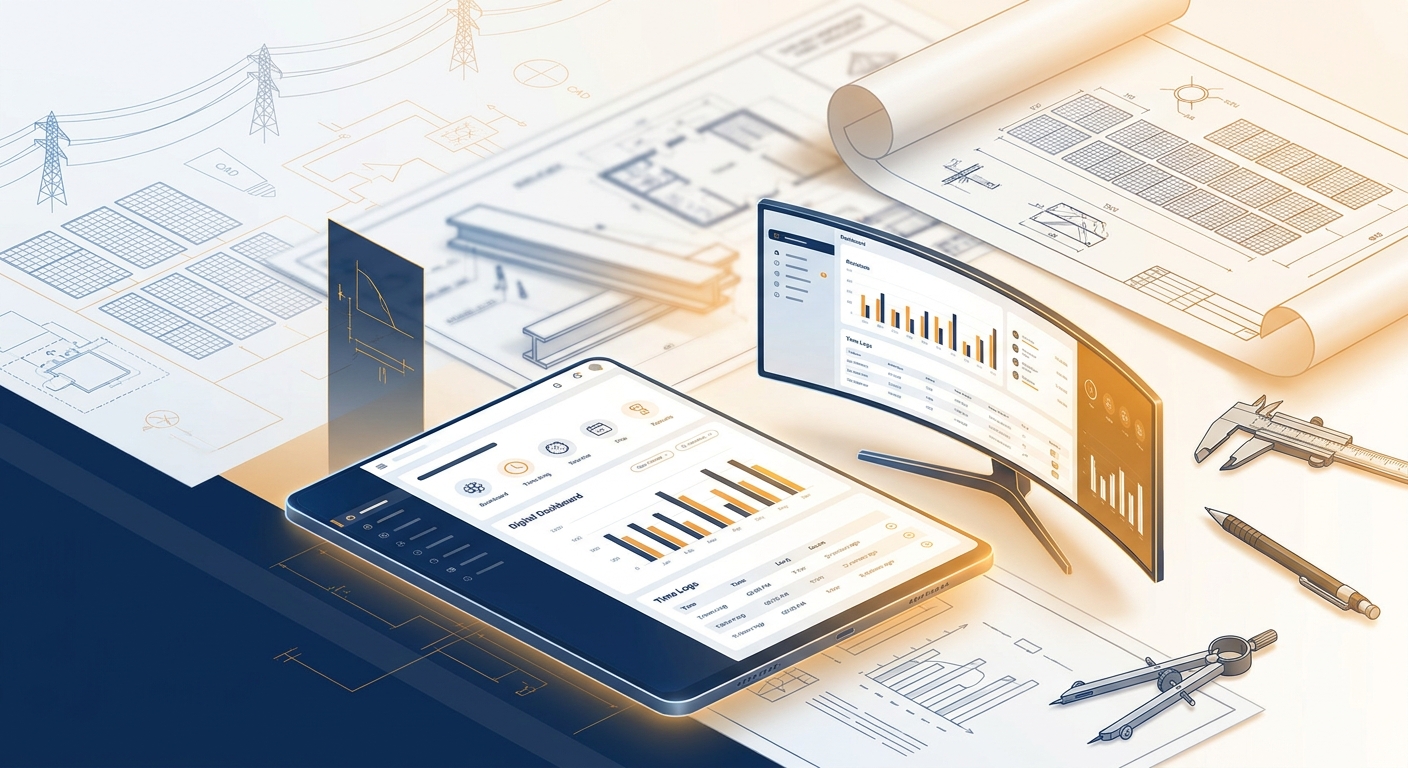
In India’s solar engineering market in 2026, hourly rates vary considerably based on engineer experience and specialization. Junior design engineers typically bill at ₹800-₹1,500 per hour, while senior engineers with 5-10 years of solar-specific experience command ₹2,000-₹3,500 per hour. Specialized roles carry premium rates: structural engineers for complex mounting systems bill ₹2,500-₹4,500 per hour, electrical engineers with grid integration expertise charge ₹2,200-₹4,000 per hour, and senior PMC consultants for megawatt-scale projects can reach ₹4,000-₹7,000 per hour.
The primary advantage of hourly billing is flexibility. When project requirements evolve, a common occurrence in custom industrial installations or projects involving challenging site conditions, you’re not locked into a fixed scope that no longer matches reality. Additional analysis, design iterations, or specialized engineering work can be seamlessly incorporated without renegotiating contracts or processing change orders.
Hourly billing also ensures you pay only for actual work performed. If a project proves simpler than anticipated or your internal team handles certain aspects, you’re not paying for unused contingency built into fixed prices. This can result in significant savings on straightforward projects, particularly when working with efficient design partners who have streamlined processes.
The downside is budget uncertainty. Without careful management, hourly projects can exceed initial estimates, sometimes substantially. A project estimated at 80 hours might consume 120 hours if complications arise, site conditions prove more challenging than expected, or communication inefficiencies lead to rework. This unpredictability complicates client proposals and internal budgeting, and requires active project monitoring to prevent cost overruns.
Typical Hourly Rate Ranges in India’s Solar Design Market
Understanding the hourly rate landscape helps EPCs evaluate proposals and negotiate effectively. Entry-level CAD technicians and junior engineers handling routine drafting and basic calculations typically bill at ₹600-₹1,200 per hour. Mid-level engineers with 3-5 years of experience managing standard commercial projects charge ₹1,500-₹2,500 per hour, while senior design engineers leading complex projects command ₹2,500-₹4,000 per hour.
Specialized engineering disciplines carry premium rates reflecting their expertise. Civil and structural engineering for solar projects, particularly ground mount installations requiring foundation design or rooftop projects with challenging load conditions, typically bills at ₹2,500-₹5,000 per hour depending on complexity. Electrical engineers specializing in grid integration, protection systems, and utility interconnection design charge ₹2,200-₹4,200 per hour.
Project management consultancy services for megawatt-scale installations represent the highest hourly rates, with experienced PMC professionals billing ₹3,500-₹7,000 per hour. These rates reflect not just technical expertise but also project coordination, stakeholder management, and risk mitigation capabilities that become critical on large, complex solar farms.
Regional variations exist across India, though they’ve narrowed as remote work has become standard. Design firms in major metros like Mumbai, Bangalore, and Delhi historically charged 10-20% premiums, but in 2026, location matters less than firm reputation, engineer expertise, and service quality. Companies like Heaven Designs in Surat offer competitive rates while maintaining high quality through their team of 50+ specialized engineers.
Managing Hourly Billing Risks
Smart EPCs implement several strategies to capture hourly billing’s flexibility while mitigating budget risk. The most common approach is establishing a not-to-exceed (NTE) cap, a maximum total cost beyond which the design firm cannot bill without explicit approval. For example, you might agree to hourly billing with a ₹5,00,000 NTE cap, giving you flexibility for scope changes while protecting against runaway costs.
Regular progress reporting is essential for hourly projects. Require weekly or bi-weekly timesheets showing hours spent by task and engineer, cumulative costs to date, and projected hours to completion. This transparency allows you to identify potential overruns early and make course corrections before costs spiral. Reputable design partners provide this reporting proactively as part of professional project management.
Milestone-based reviews add another layer of control. Structure the project into phases, preliminary design, detailed engineering, permit documentation, with budget reviews at each milestone. This approach lets you assess whether the hourly model is working efficiently and make adjustments or switch to fixed pricing for remaining phases if needed.
Finally, ensure your contract includes detailed time tracking requirements and the right to audit timesheets if questions arise. Professional firms maintain rigorous time tracking systems and welcome transparency, as it builds trust and demonstrates the value they deliver. If a design partner resists reasonable oversight of hourly billing, consider it a red flag.
Per-MW Rate Model: Scalable Design Pricing for Large Solar Projects
The per-MW rate model has emerged as the industry standard for megawatt-scale solar projects, offering a pricing structure that scales logically with project size while remaining easy to compare across design firms. Under this approach, you pay a set rate per megawatt of installed capacity, with the total design cost calculated by multiplying the per-MW rate by your project size. This model dominates utility-scale solar farms, large commercial installations, and ground mount projects across India.
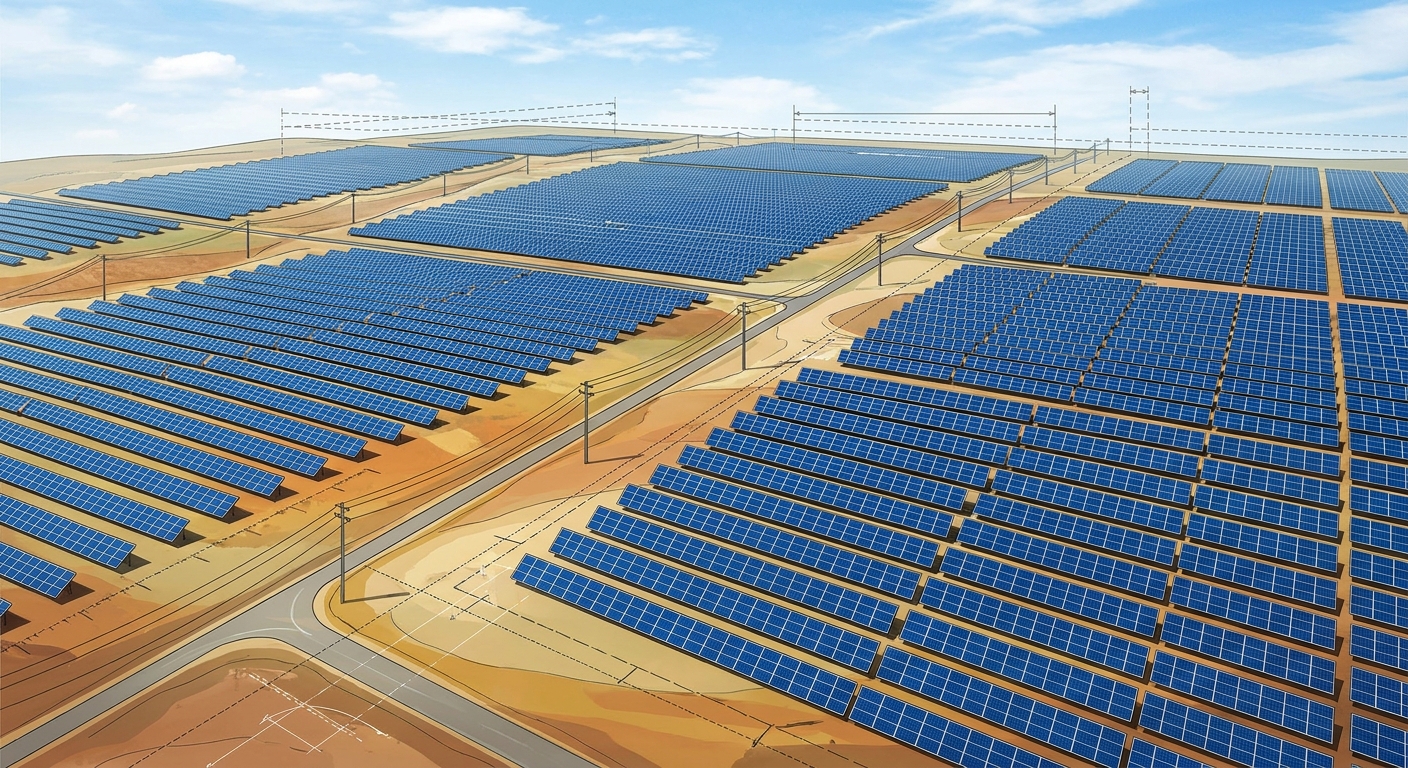
In India’s solar design market in 2026, per-MW rates vary significantly based on project type and complexity. Ground mount solar farms on relatively flat, accessible terrain typically see design rates of ₹1,50,000 to ₹3,50,000 per MW for comprehensive detailed engineering design. Rooftop commercial and industrial installations command higher per-MW rates—₹2,50,000 to ₹5,50,000 per MW, reflecting the additional complexity of structural analysis, multiple roof types, and integration with existing facilities.
The per-MW model offers several compelling advantages for large projects. First, it’s easy to compare proposals from different design firms, you can quickly evaluate whether one firm’s ₹2,50,000 per MW rate represents better value than another’s ₹3,00,000 per MW rate. This transparency facilitates competitive bidding and helps EPCs benchmark costs against industry standards.
Second, per-MW pricing scales logically with project size. A 10 MW project naturally requires more engineering work than a 5 MW project, and per-MW rates capture this relationship intuitively. This scalability makes budgeting straightforward: if you know your project capacity and the per-MW rate, you can calculate total design costs instantly, even in early feasibility stages.
Third, per-MW rates have become the industry standard for large projects, making them familiar to financial institutions, investors, and project stakeholders. When presenting project economics to lenders or partners, using per-MW design costs aligns with how they evaluate other project components like equipment costs (₹ per watt) and O&M expenses (₹ per MW per year).
However, per-MW pricing has limitations. It may not adequately account for site-specific complexity factors that don’t correlate with capacity. A 10 MW project on challenging terrain with difficult access, multiple elevation changes, and complex soil conditions requires substantially more engineering work than a 10 MW project on flat, accessible land, yet both would carry the same per-MW rate unless adjustments are negotiated.
Per-MW Rate Variations by Project Type
Understanding how per-MW rates vary by project type helps EPCs evaluate whether quoted rates are reasonable and identify potential cost optimization opportunities. Ground mount solar installations on simple sites typically see the lowest per-MW design rates—₹1,50,000 to ₹2,50,000 per MW, because they benefit from standardized mounting structures, straightforward electrical design, and minimal structural complexity.
Rooftop commercial and industrial projects carry higher per-MW rates due to increased complexity. Each roof section requires individual structural analysis, mounting systems must be customized to roof type and load capacity, and electrical design must integrate with existing facility infrastructure. Rates of ₹2,50,000 to ₹4,50,000 per MW are common, with complex multi-building campuses reaching ₹5,00,000 to ₹5,50,000 per MW.
Terrain and site conditions significantly impact per-MW rates even within project categories. Ground mount projects on sloped terrain requiring grading analysis, sites with challenging soil conditions necessitating specialized foundation design, or locations with difficult access requiring creative construction planning may see 30-50% premiums over base rates. Smart EPCs discuss these factors upfront to ensure quoted per-MW rates include appropriate adjustments.
Economies of scale apply to per-MW pricing, with larger projects often securing lower rates. A 50 MW solar farm might achieve ₹1,80,000 per MW rates, while a 5 MW project from the same firm might cost ₹2,50,000 per MW. The fixed effort components, project setup, initial site analysis, permit research, are amortized over more megawatts in larger projects, reducing the per-MW cost.
Additional engineering disciplines beyond standard design work typically carry supplemental charges. Specialized structural engineering for unusual mounting conditions, detailed geotechnical investigations, environmental impact assessments, or comprehensive project management consultancy services may add ₹50,000 to ₹1,50,000 per MW to base design rates. Clarify what’s included in quoted per-MW rates to avoid surprises.
Side-by-Side Comparison: Which Design Pricing Model Wins for Your EPC Business
Choosing between fixed-price packages, hourly billing, and per-MW rates requires evaluating your specific project portfolio characteristics and business priorities. No single model is universally superior, each excels in different scenarios, and sophisticated EPCs often use different models for different project types within their portfolio.

Cost predictability varies dramatically across models. Fixed-price packages offer maximum budget certainty, making them ideal for competitive bids and price-sensitive clients. Per-MW rates provide good predictability for large projects once capacity is defined, though site complexity adjustments can introduce some variability. Hourly billing offers the least predictability, requiring active management and contingency budgets to prevent overruns.
Flexibility for scope changes follows the opposite pattern. Hourly billing excels when requirements evolve, seamlessly accommodating additional analysis or design iterations without contract renegotiations. Per-MW rates offer moderate flexibility, minor scope adjustments are typically absorbed, but significant changes may trigger rate adjustments. Fixed-price packages provide minimal flexibility, with most changes requiring formal change orders and additional fees.
Administrative overhead is lowest with fixed-price packages, you simply pay the agreed amount upon delivery. Per-MW rates require minimal administration once the rate and capacity are established. Hourly billing demands the most oversight, with regular timesheet reviews, progress monitoring, and budget tracking necessary to prevent cost overruns and ensure efficient resource utilization.
Best fit by project type provides practical guidance. Fixed-price packages suit high-volume residential installers, standardized commercial projects, and EPCs prioritizing budget certainty over flexibility. Hourly billing works best for custom industrial installations, projects with uncertain scope, complex structural engineering challenges, and comprehensive PMC services where requirements emerge during execution. Per-MW rates are ideal for utility-scale solar farms, large ground mount installations, and megawatt-scale commercial projects where capacity is the primary cost driver.
Many successful EPCs adopt a hybrid approach, using different pricing models for different project types. They might use fixed packages for their residential portfolio, per-MW rates for ground mount projects above 5 MW, and hourly billing for complex industrial installations requiring custom engineering. This flexibility optimizes costs across their entire portfolio while matching pricing structure to project characteristics.
Hidden Costs to Watch For in Solar Design Pricing
Regardless of which pricing model you choose, several hidden costs can inflate your final engineering expenses if not addressed upfront. Understanding these potential add-ons helps you negotiate comprehensive agreements and avoid budget surprises mid-project.
Revision charges represent one of the most common unexpected costs. While most agreements include one or two revision rounds, extensive changes or multiple iterations often trigger additional fees. Fixed-price packages might charge ₹5,000-₹25,000 per additional revision round, while hourly agreements simply bill for the extra time. Clarify revision limits and costs before signing contracts, and consider negotiating higher revision allowances if your projects typically involve iterative client feedback.
Site visit and travel expenses are frequently excluded from base pricing, particularly for design firms located far from your project sites. Physical site surveys, structural assessments, or client meetings may incur travel costs of ₹10,000-₹50,000 per visit depending on location. Some firms include one site visit in their base price but charge for additional visits. Discuss whether remote site assessment using satellite imagery and client-provided photos can substitute for physical visits on straightforward projects.
Expedited delivery fees apply when you need designs faster than standard timelines. Rush projects requiring weekend work or priority resource allocation typically carry 20-40% premiums over standard pricing. Design timeline planning helps avoid these premiums, provide as much advance notice as possible and align your project schedule with your design partner’s capacity.
Additional engineering disciplines beyond the base scope often carry supplemental charges. If your project requires specialized civil engineering for challenging terrain, detailed geotechnical analysis, environmental assessments, or grid interconnection studies, expect additional costs of ₹50,000-₹3,00,000 depending on complexity. Ensure your initial scope discussion covers all required engineering disciplines to receive comprehensive pricing.
Software licensing and simulation costs sometimes appear as line items, particularly for advanced energy modeling, financial analysis, or specialized structural simulation. While most design firms include standard software costs in their pricing, proprietary tools or client-requested specific software platforms may trigger additional charges of ₹10,000-₹75,000 per project.
Permit resubmission fees can arise if local authorities reject initial submissions or require significant modifications. While most design firms stand behind their work and will address technical deficiencies at no charge, resubmissions due to changed client requirements or authority policy changes may incur additional fees. Clarify who bears responsibility for various resubmission scenarios before starting work.
How to Negotiate Better Solar Design Pricing Rates
Smart negotiation can reduce your solar design costs by 15-30% while maintaining quality and building strong partnerships with engineering firms. The key is creating win-win arrangements that provide value to both parties rather than simply demanding lower prices.
Volume discounts represent the most straightforward negotiation lever. If you have a consistent pipeline of projects, propose a volume agreement where you commit to a minimum number of projects or total megawatts annually in exchange for reduced rates. Design firms value predictable workload and will often offer 10-25% discounts for volume commitments. For example, committing to 20 MW of design work annually might reduce per-MW rates from ₹2,50,000 to ₹2,00,000.
Long-term partnership agreements provide similar benefits with more flexibility. Rather than committing to specific volumes, establish a preferred partner relationship with negotiated rates valid for 12-24 months. This arrangement gives the design firm confidence in ongoing work while giving you rate certainty and priority resource allocation during busy periods. Include provisions for quarterly business reviews to ensure both parties remain satisfied with the partnership.
Bundling services often unlocks better rates than purchasing services separately. If you need feasibility studies, detailed design, and PMC services, bundling all three with a single firm typically costs 15-20% less than engaging separate providers for each service. Heaven Designs, for example, offers comprehensive solutions from preliminary 3D pre-design through project management consultancy, enabling cost-effective bundled pricing.
Clear scope definition prevents the hidden costs and change orders that inflate final expenses. Invest time upfront to thoroughly document project requirements, site conditions, deliverable expectations, and revision allowances. This clarity allows design firms to price accurately without excessive contingency buffers, often resulting in 10-15% lower quotes than vague scope descriptions that force firms to price in risk.
Flexible payment terms can benefit both parties. Design firms often offer modest discounts (3-5%) for upfront payment or shortened payment cycles, as it improves their cash flow. Conversely, if you need extended payment terms, offering slightly higher rates in exchange may prove mutually beneficial. Discuss payment structures that align with your project cash flows and the design firm’s business needs.
Questions to ask before signing contracts help you negotiate comprehensively. Inquire about volume discount thresholds, whether rates are negotiable for multi-project commitments, what’s included versus excluded from base pricing, revision allowances and additional revision costs, typical timeline and expedite fees, and whether the firm offers bundled service discounts. Also ask about their capacity to handle your project volume, quality assurance processes, and client references from similar EPCs.
Choosing the Right Design Pricing Model for Your Project Portfolio
Selecting the optimal solar design pricing model requires honest assessment of your project portfolio characteristics, business priorities, and operational capabilities. Start by analyzing your typical projects across several dimensions: project size distribution (residential, commercial, utility-scale), project complexity (standard vs. custom engineering requirements), volume and frequency (sporadic large projects vs. continuous small projects), and scope predictability (well-defined requirements vs. evolving specifications).
EPCs with high-volume residential portfolios typically benefit most from fixed-price packages. If you’re installing 30-50 rooftop systems monthly with similar characteristics, fixed pricing streamlines operations, simplifies client proposals, and eliminates budget uncertainty. Negotiate volume discounts and establish clear scope definitions to maximize value.
Commercial and industrial EPCs with diverse project types often benefit from hybrid approaches. Use fixed packages for straightforward rooftop installations, per-MW rates for larger ground mount projects, and hourly billing for complex custom installations requiring specialized engineering. This flexibility optimizes costs across your portfolio while matching pricing structure to project characteristics.
Utility-scale developers managing megawatt-scale solar farms should prioritize per-MW rates as their primary model. This approach aligns with industry standards, facilitates proposal comparisons, and scales logically with project size. Negotiate site complexity adjustments upfront and clarify what engineering disciplines are included in base per-MW rates versus supplemental charges.
EPCs handling highly custom projects, such as solar installations integrated with industrial processes, projects on challenging sites requiring extensive structural engineering, or installations with unique grid integration requirements, often find hourly billing most cost-effective despite its administrative overhead. The flexibility to adapt scope as requirements emerge prevents the change order battles common with fixed pricing on complex projects.
Consider working with design partners who offer multiple pricing options and can recommend the best approach for each project. Firms like Heaven Designs with comprehensive service offerings, from site surveys and feasibility studies through detailed engineering design and PMC services, can structure pricing to match your specific needs. Their experience with 752+ solar EPC clients across 628+ MW of design work provides valuable perspective on which pricing models work best for different scenarios.
The solar industry in India continues evolving rapidly in 2026, with increasing project complexity, more sophisticated engineering requirements, and growing emphasis on energy optimization and cost efficiency. Your design pricing strategy should evolve alongside these trends, regularly reassessing whether your current approach still serves your business objectives or whether alternative models might deliver better value.
Ultimately, the best solar design pricing model is the one that aligns with your project characteristics, provides appropriate cost predictability for your business model, and enables productive partnerships with engineering firms who deliver quality work on schedule. By understanding the strengths and limitations of fixed-price packages, hourly billing, and per-MW rates, you can make informed decisions that optimize your engineering costs while ensuring the technical excellence your projects demand.
Ready to explore which design pricing model works best for your project portfolio? Heaven Designs offers flexible pricing structures tailored to EPC companies of all sizes, from high-volume residential installers to utility-scale developers. With over 50 specialized engineers delivering comprehensive solar design services, including 3D pre-design, detailed engineering, structural engineering, and PMC services, we can structure pricing that matches your specific needs and project characteristics. Get a Quick Proposal Now! to discuss your projects and receive customized pricing options, or reach out directly at service@heavendesigns.in or +91 90811 00297 to speak with our team about optimizing your solar design costs.
This blog post was written using thestacc.com