Solar Permit Design in Puerto Rico
Permit plan sets built for Puerto Rico authorities and utilities, not a national template with the state name changed. Turnaround agreed at scoping.
PUERTO RICO PERMIT DESIGN
What makes Puerto Rico different
Puerto Rico is administratively simpler than most US jurisdictions, because permitting runs through a centralised single-window system rather than dozens of municipal offices. Technically it is among the most demanding anywhere. Hurricane design wind speeds are among the highest in the United States following post-Maria code updates, genuine seismic demand applies after recent damaging earthquakes, salt corrosion is severe, and roofs are predominantly concrete, which changes attachment fundamentally.
DESIGN DRIVERS
4 things that govern a Puerto Rico plan set
These are the reasons a set drawn to a generic national template comes back from a Puerto Rico plan examiner.
Hurricane design wind speeds are among the highest anywhere in the United States following post-Maria code updates, and wind is the governing case.
Genuine seismic demand applies, particularly in the southwest following recent damaging earthquakes, which combined with hurricane design is an unusual pairing.
Predominantly concrete roof construction changes attachment methods fundamentally from mainland timber framing assumptions.
Grid instability makes storage effectively standard, with resilience rather than bill savings often the primary customer motivation.
CODE BASIS
The code framework in Puerto Rico
Puerto Rico administers permitting through a centralised single-window system rather than dozens of municipal offices, which is administratively distinctive. Technically it is among the most demanding jurisdictions anywhere: hurricane design wind speeds are extremely high following code updates after Hurricane Maria, seismic demand is genuine following recent significant earthquakes, and salt corrosion is severe.
We confirm the currently adopted cycle for your specific Puerto Rico authority at scoping, because adoption is staggered and changes.
What applies on top of the NEC here
- Centralised single-window permitting administration rather than municipal-by-municipal filing
- Hurricane design wind speeds raised following post-Maria code updates
- Seismic design provisions reflecting recent significant seismic activity in the southwest
- Grid resilience considerations making storage effectively standard rather than optional
AUTHORITIES
Puerto Rico authorities we submit to
Each authority has its own submittal route and its own recurring plan check comments. Knowing which one you are filing with changes the drawings.
| Authority | Covers | What to know |
|---|---|---|
| Permit Management Office | Centralised permitting administration | A single-window system rather than municipal-by-municipal filing, which is administratively distinctive and simplifies the map. |
| Municipal autonomous permitting offices | Certain municipalities with delegated authority | Some municipalities administer permits under delegated authority, so the route depends on the location. |
| Planning and regulation agencies | Island wide | Coastal and flood zone regulation applies alongside construction permitting, particularly on the extensive coastline. |
INTERCONNECTION
Puerto Rico utilities and export rules
Export compensation decides how the system should be sized and whether storage belongs in the design. It also decides what the interconnection drawings must show.
| Utility | Territory | Export and compensation |
|---|---|---|
| LUMA Energy | Transmission and distribution across Puerto Rico | Net metering, with grid reliability and frequent outages making storage effectively standard on residential projects |
STRUCTURAL
Loading conditions in Puerto Rico
Verified in STAAD Pro where the structure is non standard, rather than read off a racking manufacturer table.
Wind
Among the highest design wind speeds anywhere in the United States, raised following post-Maria code updates. This is the governing design case
Snow
None
Seismic
Genuine and significant, particularly in the southwest following recent damaging earthquake activity
Also governing
Severe salt corrosion across the island, concrete roof construction that changes attachment methods entirely, and grid instability making storage effectively standard
DELIVERABLES
What is in a Puerto Rico permit plan set
Cover sheet and site plan
Parcel, setbacks and equipment locations to the format the Puerto Rico authority expects.
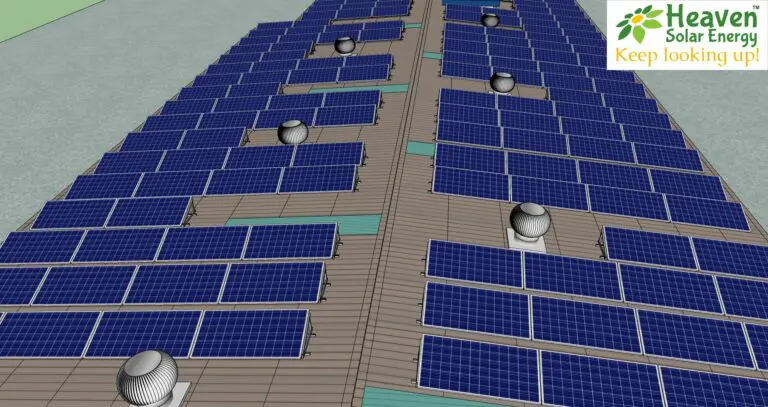
Roof plan and module layout
Layout resolved against fire setbacks and access pathways before module count is fixed.
Attachment detail
Racking, flashing and penetration detail matched to the actual roof assembly.
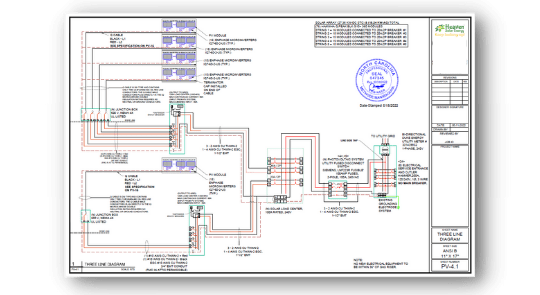
Single line and three line diagrams
Conductor sizing, overcurrent protection, grounding and rapid shutdown per NEC 690.
String layout and bill of material
String sizing checked against inverter operating windows, with a complete BOM.
Equipment specs and calculations
Voltage drop, corrected ampacity and equipment data sheets.
Signage and labelling plan
Placards and labelling to the adopted cycle and any local amendment.
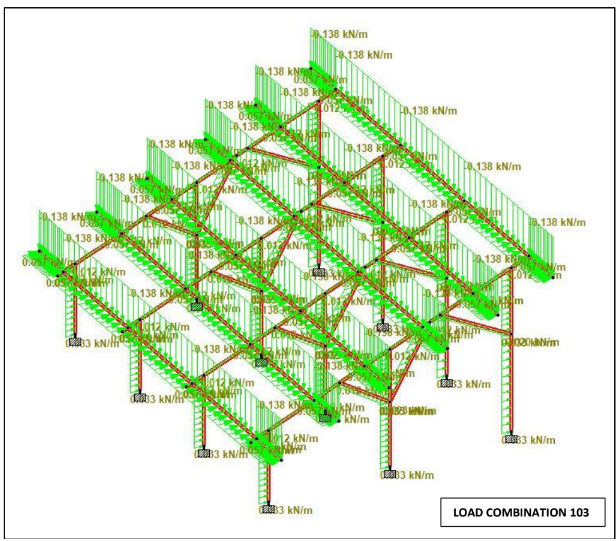
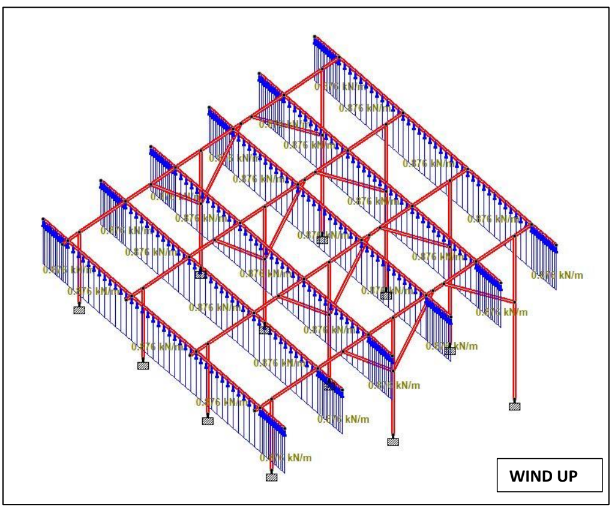
Structural notes and calculations
Wind, snow and seismic notes appropriate to Puerto Rico loading.
Engineering sign-off in Puerto Rico
Puerto Rico combines extremely high hurricane design wind speeds with genuine seismic demand, which is an unusual and demanding pairing. Attachment design on concrete roof construction differs fundamentally from the timber framing assumptions in most mainland racking data, so calculation rather than table reference is the appropriate basis.
SAMPLE DELIVERABLES
What the drawings look like
Pages from real sets. Judge the output before you send a project.
MARKET CONTEXT
The Puerto Rico solar market
Puerto Rico has among the strongest distributed solar drivers anywhere: high electricity costs, an unreliable grid, and a population with direct experience of extended outages. Nearly every residential project is solar plus storage, and resilience rather than bill savings is often the primary motivation. The engineering is demanding: extreme hurricane wind design, genuine seismic demand, severe corrosion exposure, and predominantly concrete roof construction requiring attachment methods that differ from mainland practice.
GET STARTED
Get a Puerto Rico Permit Design Quote
Send the address, roof photos, equipment list and the serving utility. We reply with scope, engineering sign-off requirements for that Puerto Rico authority, price and a delivery date.
- We reply within 1 business day
- Plan check comments handled with you
- No obligation, no retainer to start
“Heaven Designs has been an exceptional partner for our EPC projects. Their turnaround time and design accuracy are unmatched. We have completed multiple projects with zero design rework. Highly recommended for any solar EPC company looking for reliable design support.”
Prefer to talk first?
PROCESS
From project to permit ready in Puerto Rico
Send the project
Site address, roof photos or survey, equipment list, and which Puerto Rico utility serves the address.
We confirm scope
Deliverables, stamping scope for that jurisdiction, price and delivery date.
We design and check
Drawn, then checked by a second engineer against a jurisdiction specific checklist.
You submit
Permit ready files in your format. Plan check comments handled with you.
FAQ
Puerto Rico Solar Permit Design FAQs
Why is storage standard rather than optional in Puerto Rico?
How high are Puerto Rico design wind speeds?
Does concrete roof construction change the design?
Is seismic really a factor alongside hurricanes?
How long does a Puerto Rico solar permit plan set take?
Which code cycle do you design Puerto Rico sets to?
What happens if a Puerto Rico authority rejects the plan set?
Which Puerto Rico utilities do you prepare interconnection drawings for?
What governs structural design on a Puerto Rico project?
What applies in Puerto Rico on top of the base electrical code?
Which authorities do you file Puerto Rico permits with?
Do you work with Puerto Rico installers on ongoing volume?
Ready for constructible design packages?
Solar engineering for EPCs. MEP design and BIM for AEC teams. Reply within 1 business day.